
Plugging Into the Future
Ithaca City School District
Recommendations for energy efficiency measures
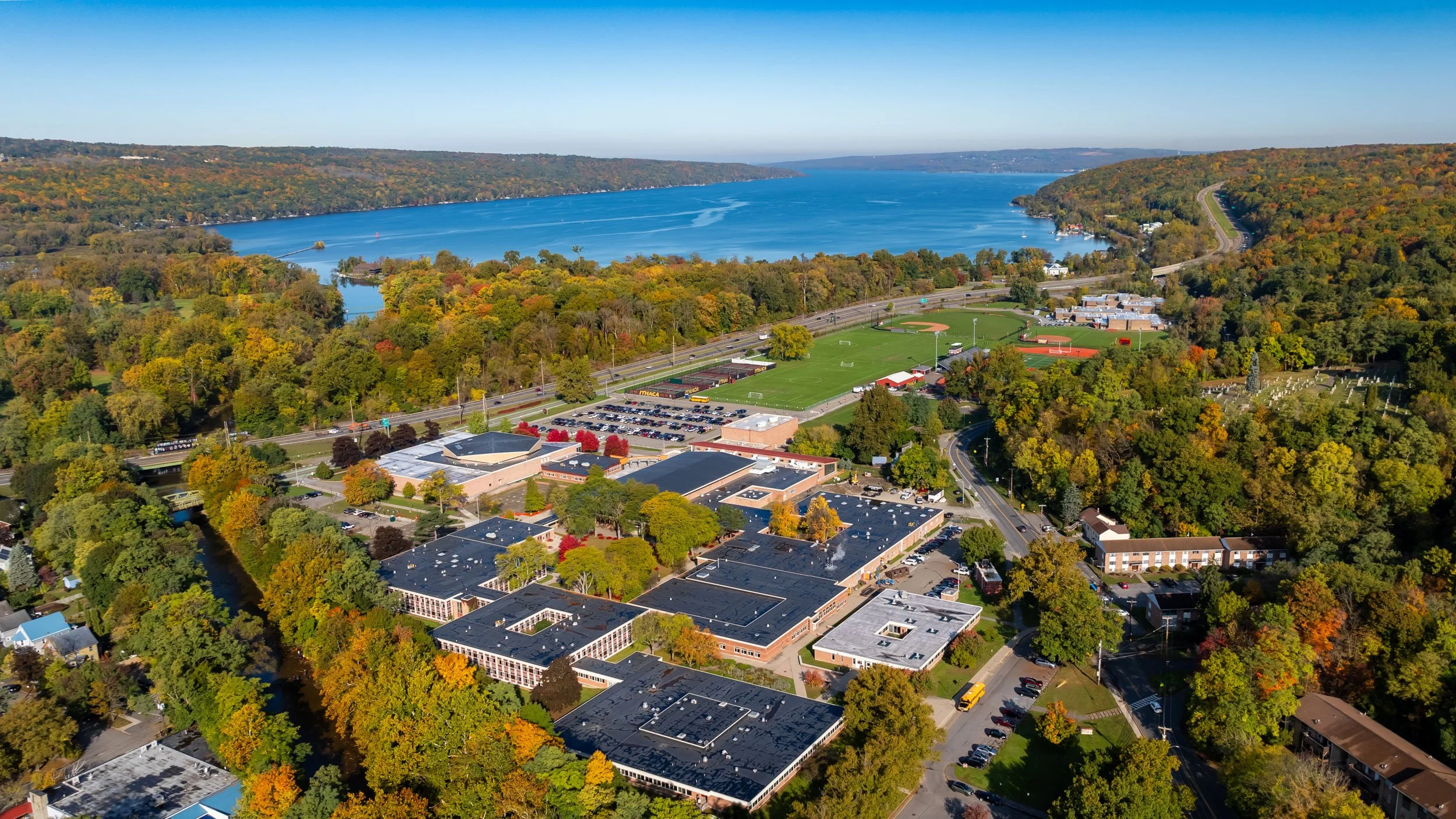
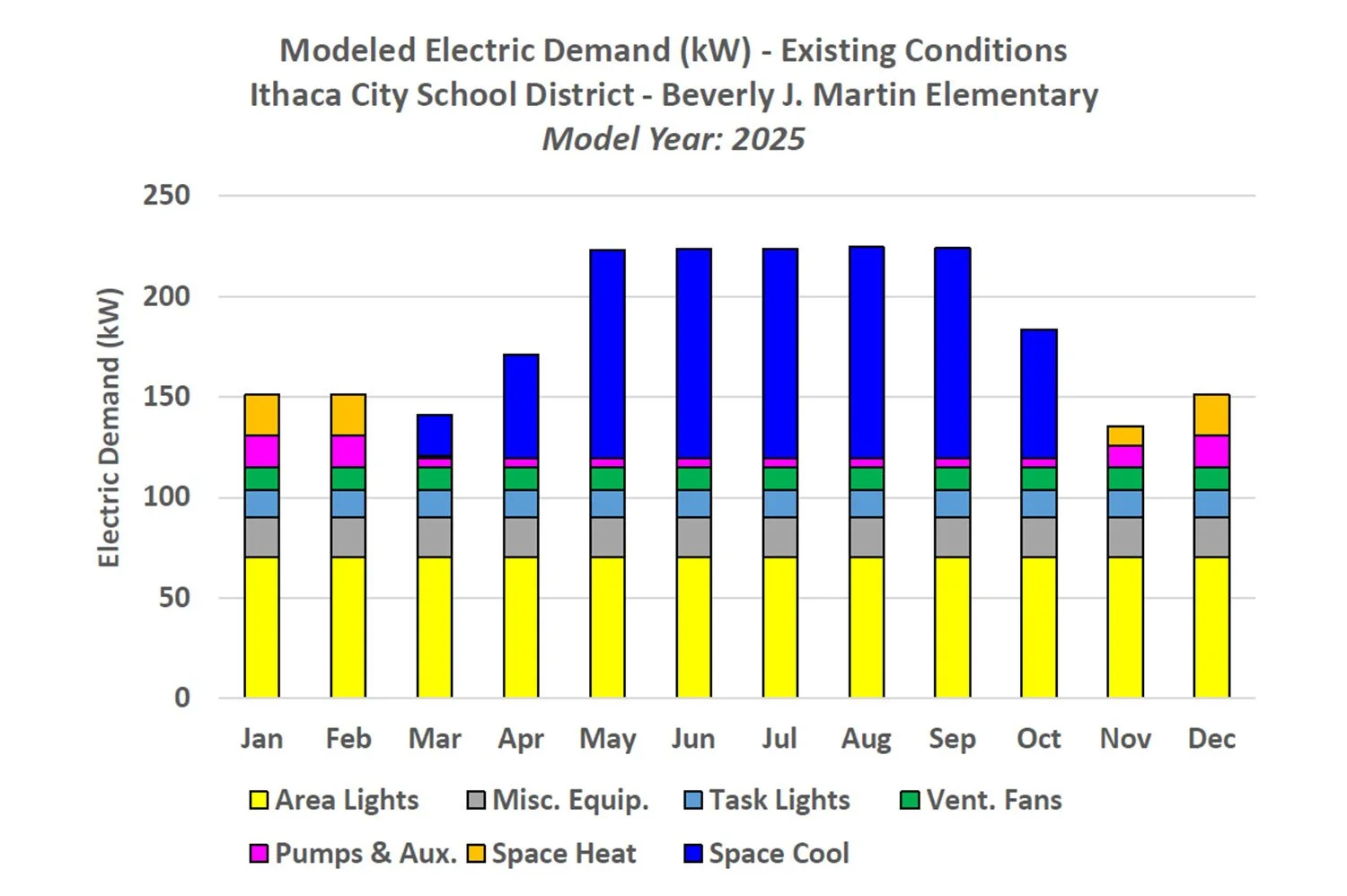
The Ithaca City School District began a multi‑phase energy study covering 14 facilities. Phase 1 focused on four schools and one maintenance building. Tetra Tech prepared and secured a NYSERDA grant of $251,570 through the P-12 Schools: Clean Green Schools Initiative (PON 4924) to fund the work.
The study, led by Modern Energy Technology Engineer Andrea Aguire, started with the collection and comprehensive review of historical utility bills and energy benchmarking data. The Tetra Tech team performed initial site visits to each facility to observe and assess building systems and operations up close. Using the data and observations, the team identified seven recommended Energy Efficiency Measures (EEMs):
EEM 1: Weatherization improvements
EEM 2: Clean heating and cooling systems
EEM 3: Lighting upgrades
EEM 4: Retro‑commissioning of existing HVAC systems
EEM 5: Solar photovoltaic (PV) opportunities
EEM 6: Electrification potential for building systems
EEM 7: Satellite charging for electric school buses
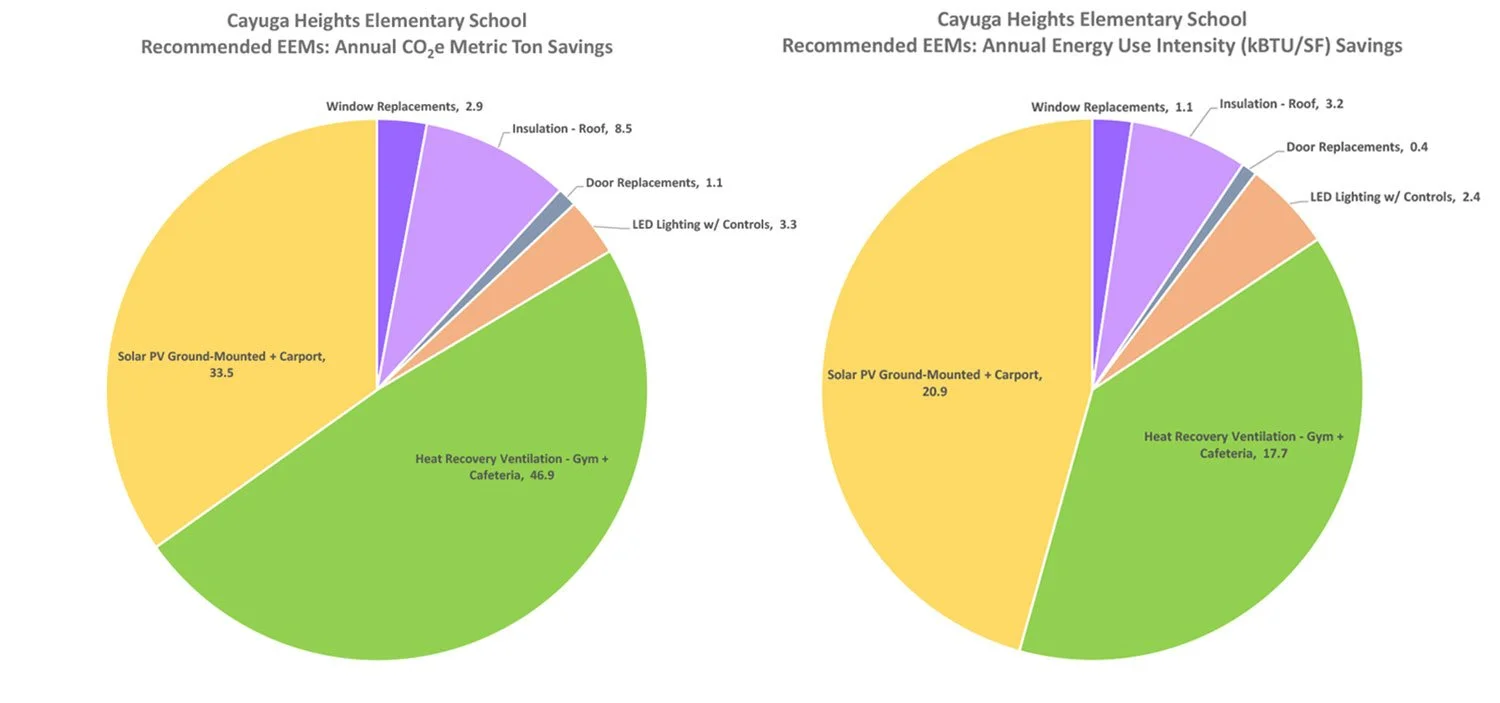
Energy models were developed and presented to the District that demonstrated estimated energy savings, costs, and carbon reductions for each measure. The first model depicted existing building conditions; the second incorporated the recommended improvements—weatherization, clean heating and cooling systems, lighting upgrades, and HVAC retro‑commissioning.
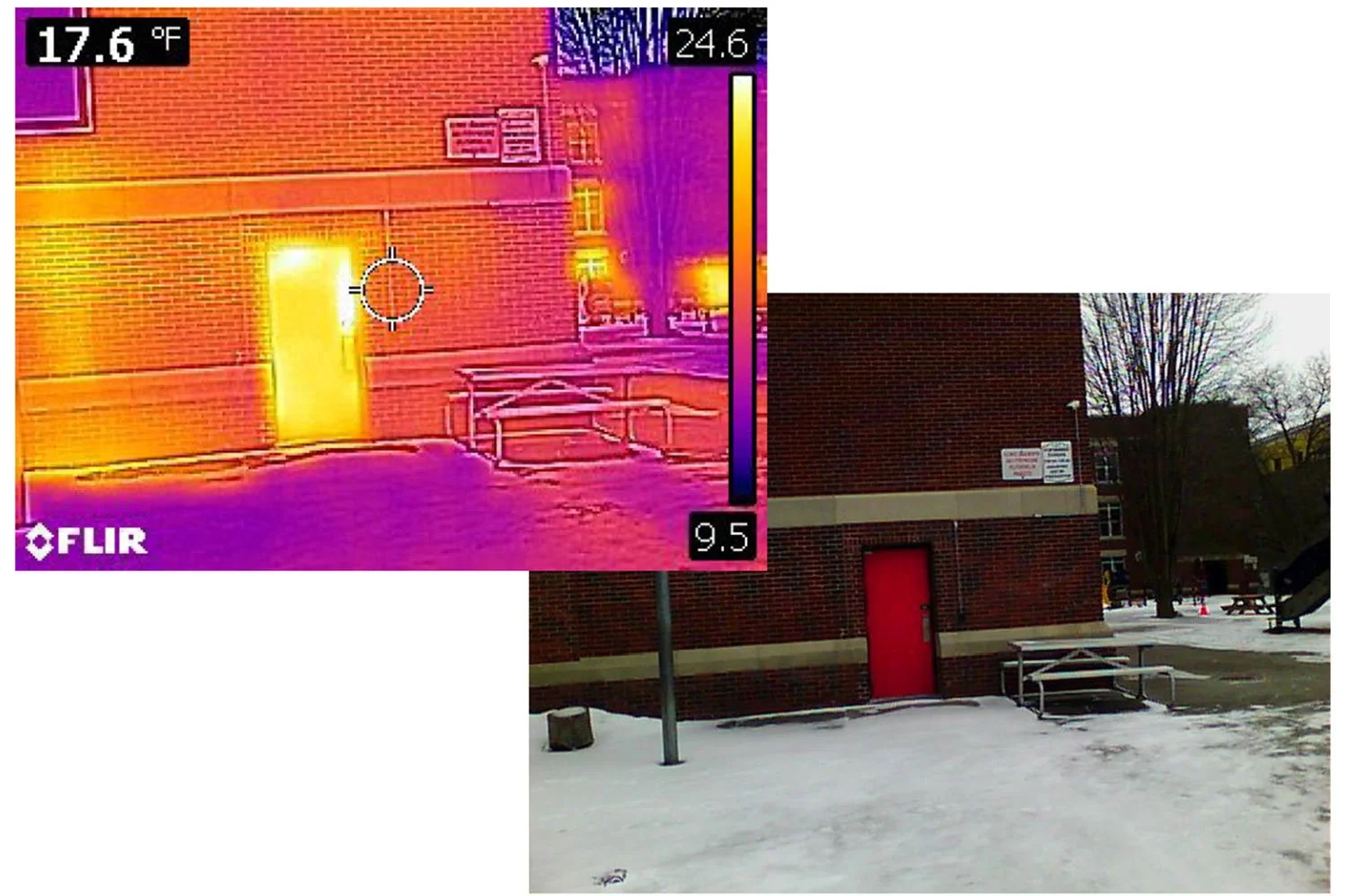
The team used several technical methods to support the analysis, including bin analysis for weatherization and mechanical measures and guidance from the New York State Technical Resource Manual. An energy roadmap tool to guide long‑term planning and implementation was also developed.
Each building received an energy roadmap that listed the recommended EEMs, suggested timing, expected results, and steps toward decarbonization. These roadmaps are designed so the District can phase investments over time, match work to budget cycles, and take advantage of changing technology and funding opportunities.
One challenge of the project was balancing the District’s interest in emerging technologies with what the technical and economic analyses actually supported. In some cases, options that initially seemed promising were found to be impractical or not cost‑effective. Tetra Tech handled this by presenting clear, evidence‑based findings and offering alternative approaches that would deliver reliable savings and long‑term value.
A standout part of the project was the collaborative dialogue between Tetra Tech and District staff. Those conversations helped shape realistic strategies for lowering energy use and emissions while considering operational needs and budgets. Phase 1 establishes a practical, repeatable approach for studying the remaining facilities and gives the District a clear path to reduce costs, cut emissions, and create healthier, more efficient learning environments.