
Phased Circulation Redesign
Greenport Union Free School District
One-Building District
Phased reorganization and modernization of historic K–12 building, improving safety and learning
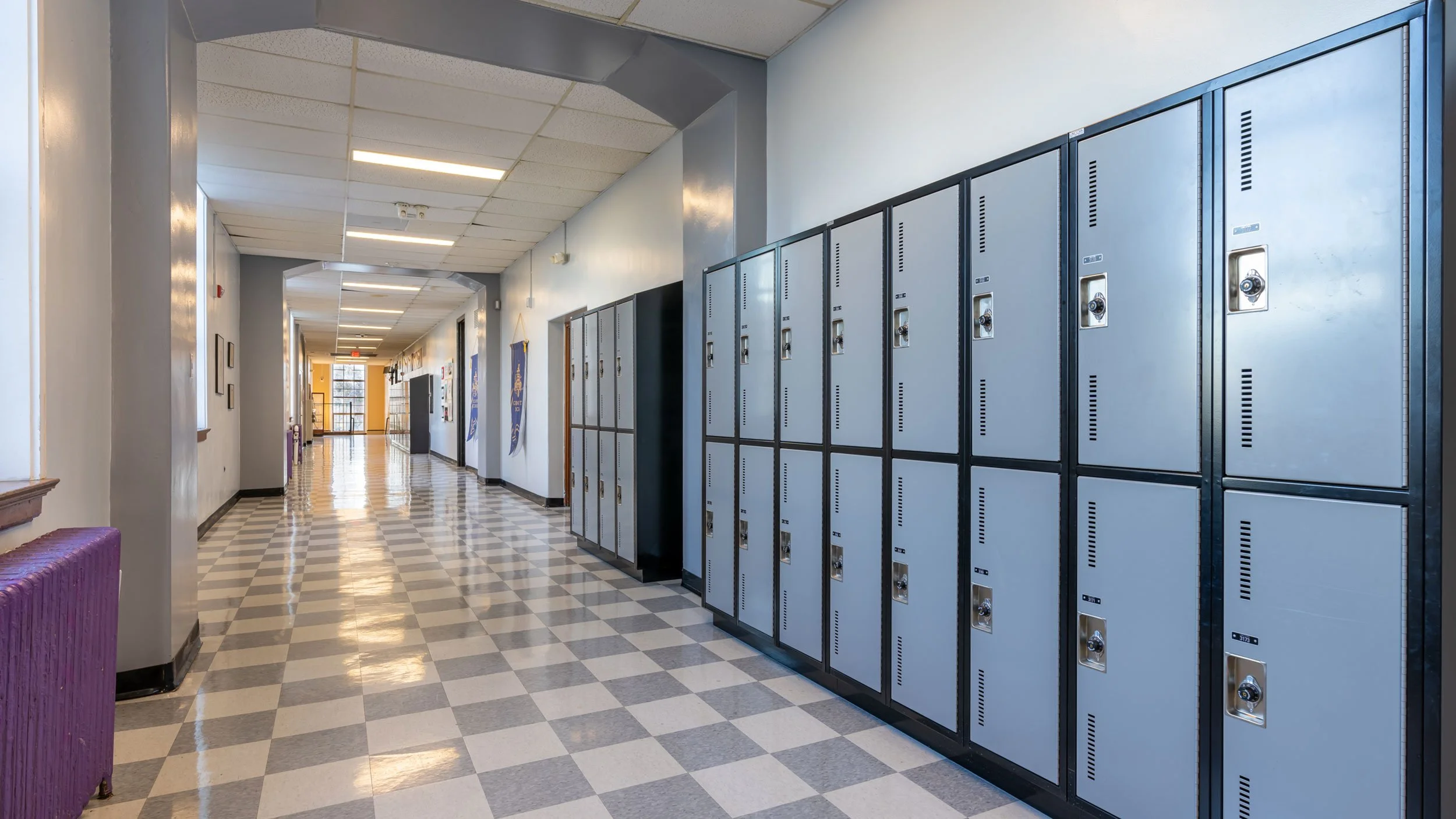
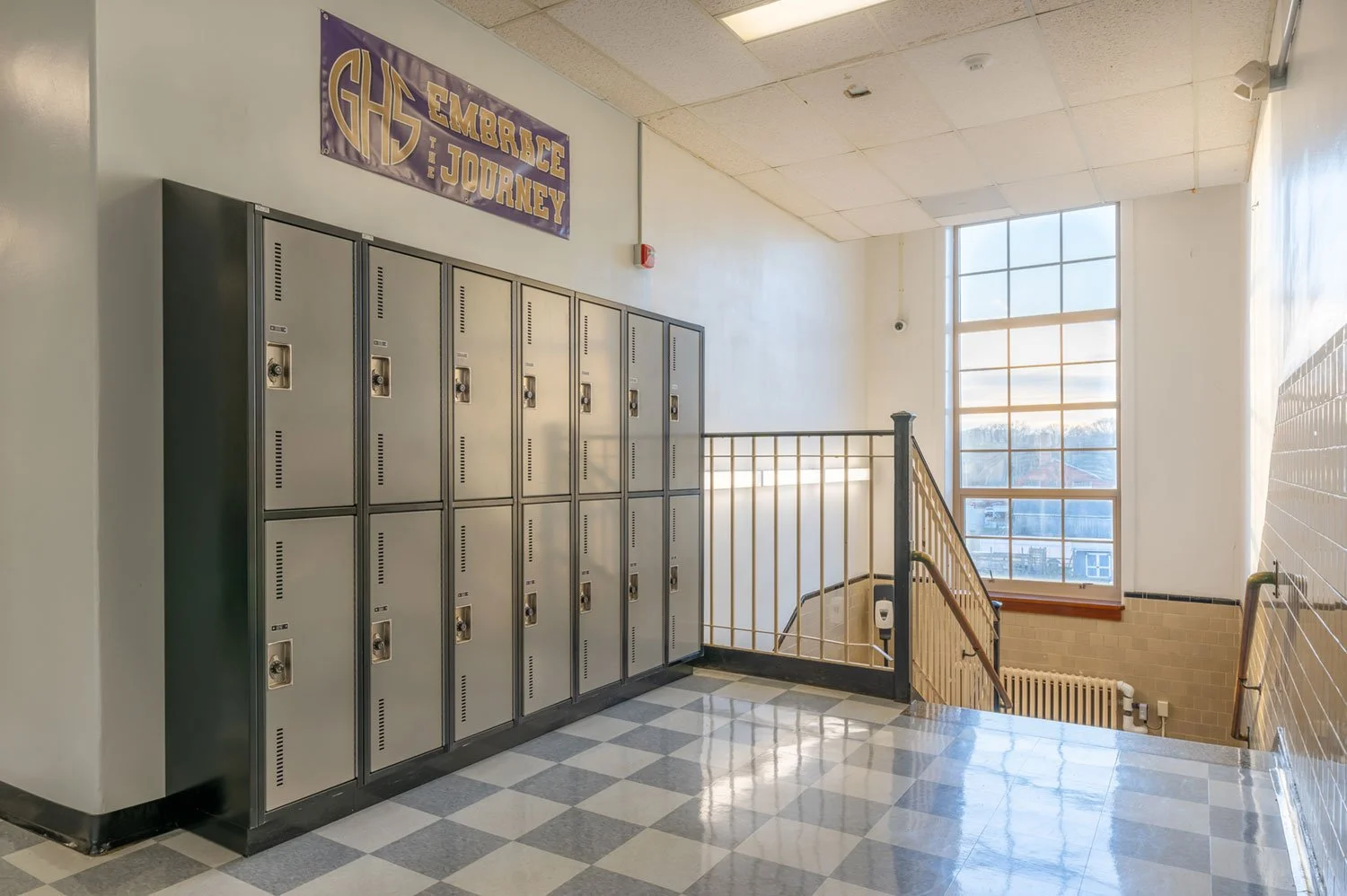
The single, three-story K–12 building dating to the 1930s—home to the small Greenport Union Free School District on the North Fork of Long Island—was operating with visitor access routed through the same corridors that students use every day. Parents, visitors, and deliveries regularly passed through classroom circulation to reach offices and the guidance suite, creating security vulnerabilities, interruptions to instruction, and a daily logistical challenge for administrators. The district’s compact, one-building campus and cherished historic facility demanded a solution that separated public and student paths, improved supervision and emergency response, without displacing educational programs.
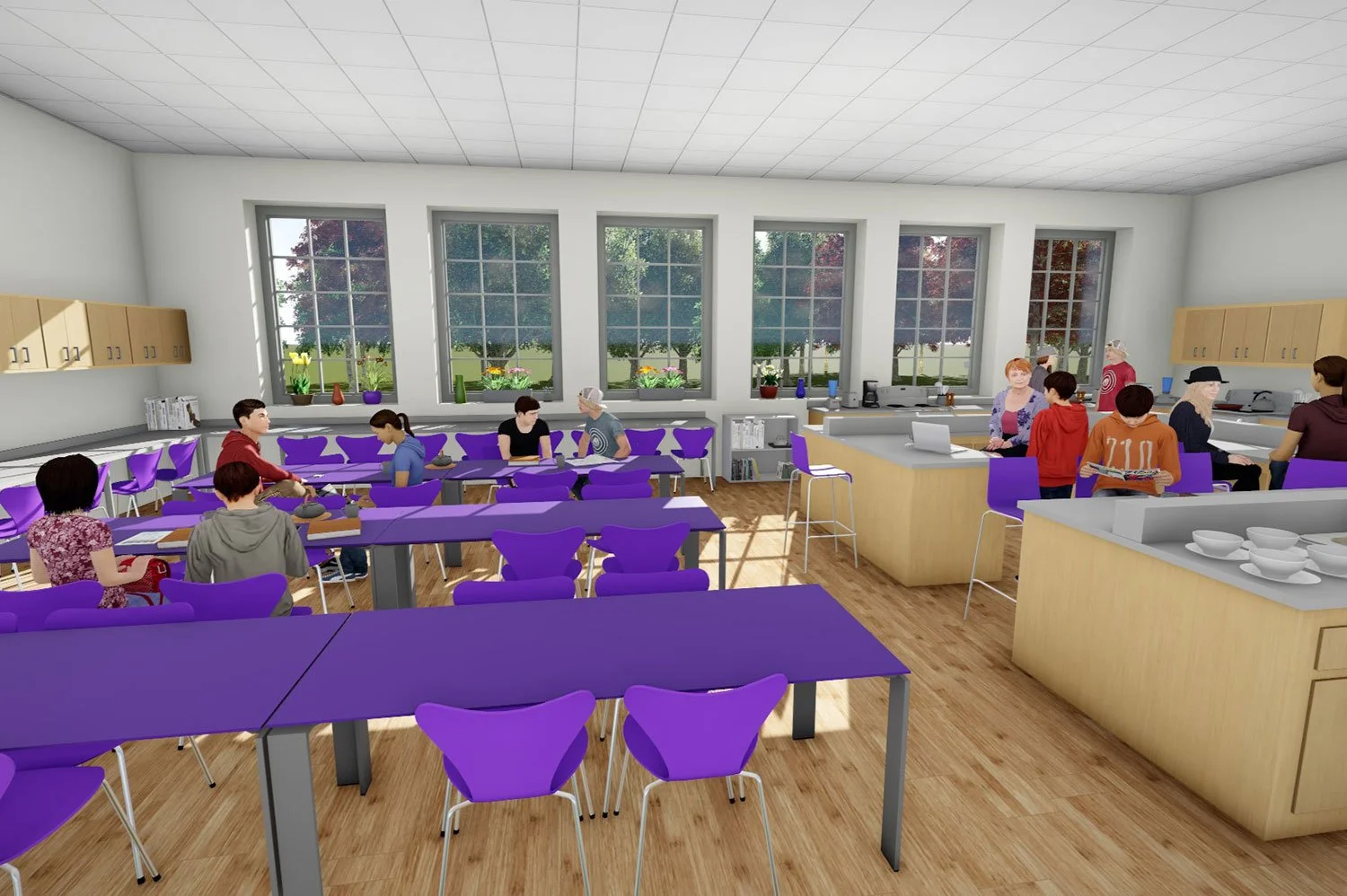
The design team treated the project like a carefully choreographed operation, not just architecture and engineering. Working with the superintendent, staff, and a facilities committee, Tetra Tech mapped a step-by-step sequence of moves that made the work practical and manageable. First, they identified spaces that could be finished early so later moves could happen quickly and logically: pre-K classrooms moved into a reconfigured elementary library; the old library became a modern Home Careers suite; that Home Careers area was then converted to the District Administration Office; the former district office at the main entrance became the high school’s main office on the first floor; and the old high school office on the second floor was renovated into classrooms. Architects led the space planning and adjacency decisions while coordinating closely with engineers so mechanical, electrical, structural, and life-safety work could be sequenced without shutting down the whole school. The result was a phased, well-timed delivery that kept educational operations running throughout the multi-year project.
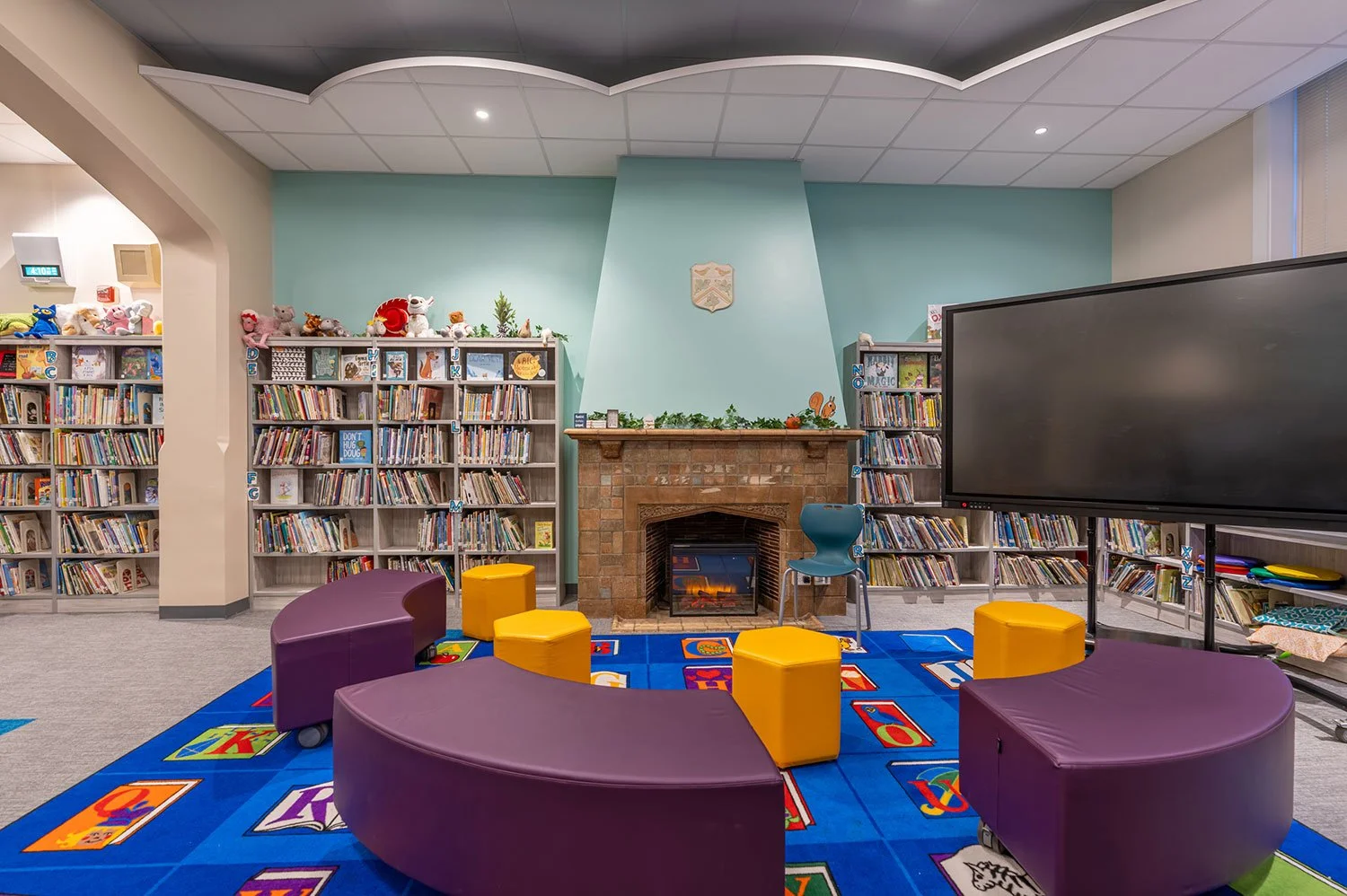
Within that phased framework the team reimagined key learning environments to meet contemporary curricular needs that honor the building’s historic character. The new elementary library—utilizing space of former kindergarten rooms—retains a historic fireplace that the architects embraced as a warm focal point, and the space layout designed to encourage playful discovery and flexible use. The Home Careers suite was redesigned to support modern career-education programming, and the district’s woodshop and auto shop received focused renovations to enhance hands-on technical instruction.
One practical and educationally impactful upgrade was adding an outdoor learning area for the auto and wood shops. Using a short program brief, the architects and engineers created a straightforward solution: a poured concrete slab, a garage-style door to the outside, and secure perimeter fencing. This simple change let students move large projects outdoors, work on assemblies safely, and build partial structures—greatly expanding the shops’ teaching possibilities without a large footprint or complex infrastructure.
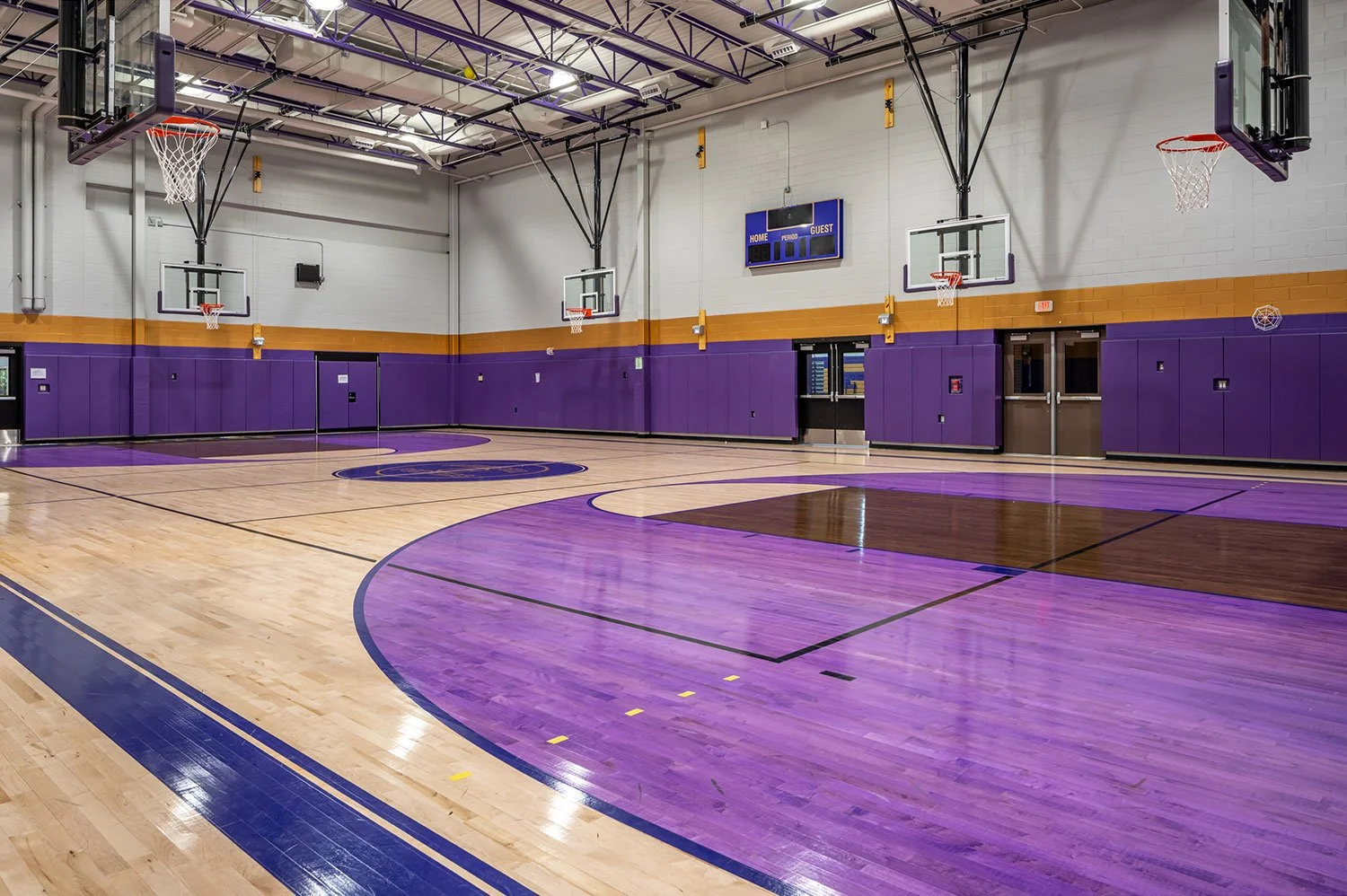
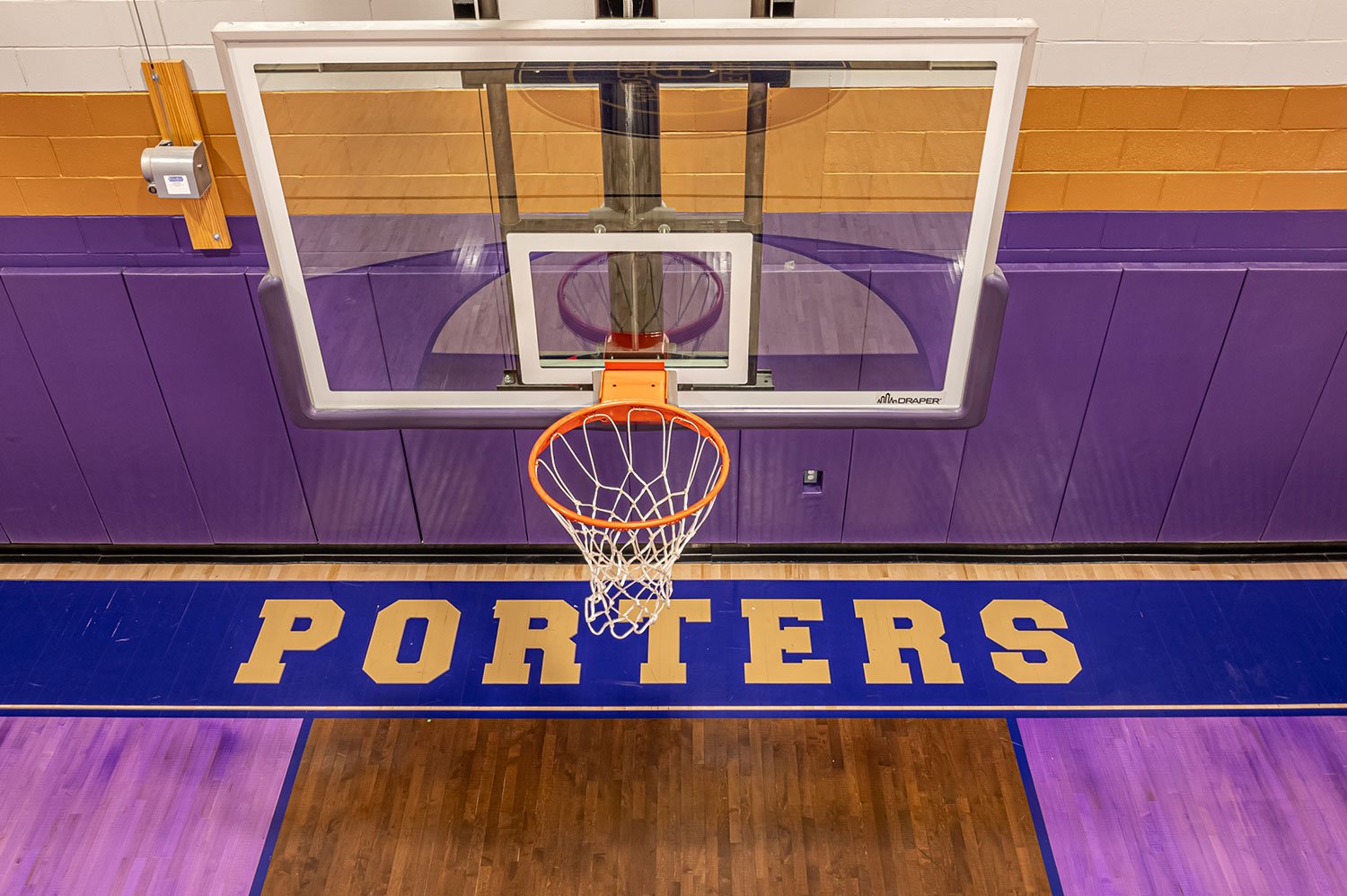
The project also navigated the civic realities of public funding and scope refinement. Tetra Tech supported the district through referendum presentations and community engagement; after an initial vote that included a proposed marine-technology shop failed, the team revised the plan, relocated the addition to the opposite side of the building, and proceeded with the remaining scope. The final phases included targeted upgrades to the art room, auxiliary gym, and cafeteria, a new elementary gymnasium addition, and system-wide modernization—most notably hallway ceiling and lighting replacement carried out during the summer of 2025 to avoid academic-year disruption, alongside HVAC and other mechanical improvements to raise comfort and reliability across the building.
Throughout the project process the architects and engineers led the logistics, maintained consistent and honest communication with staff, administration and the facility committee, conveyed the project activities and their possible implications as each phase progressed. Careful sequencing and tight scheduling were the project’s greatest challenge and its key to success. The Tetra Tech team delivered practical, phased upgrades that were transformational, enhanced safety and functionality, and provide flexible learning environments that support Greenport students for years to come.