
Analysis and Tracking in Action
Greater Johnstown City School District
Interpretation of infrastructure and learning‑environment issues into a customized, filterable long‑range facility plan and tracking tool that maps solutions across an EPC, multiple CIPs, and capital outlays.
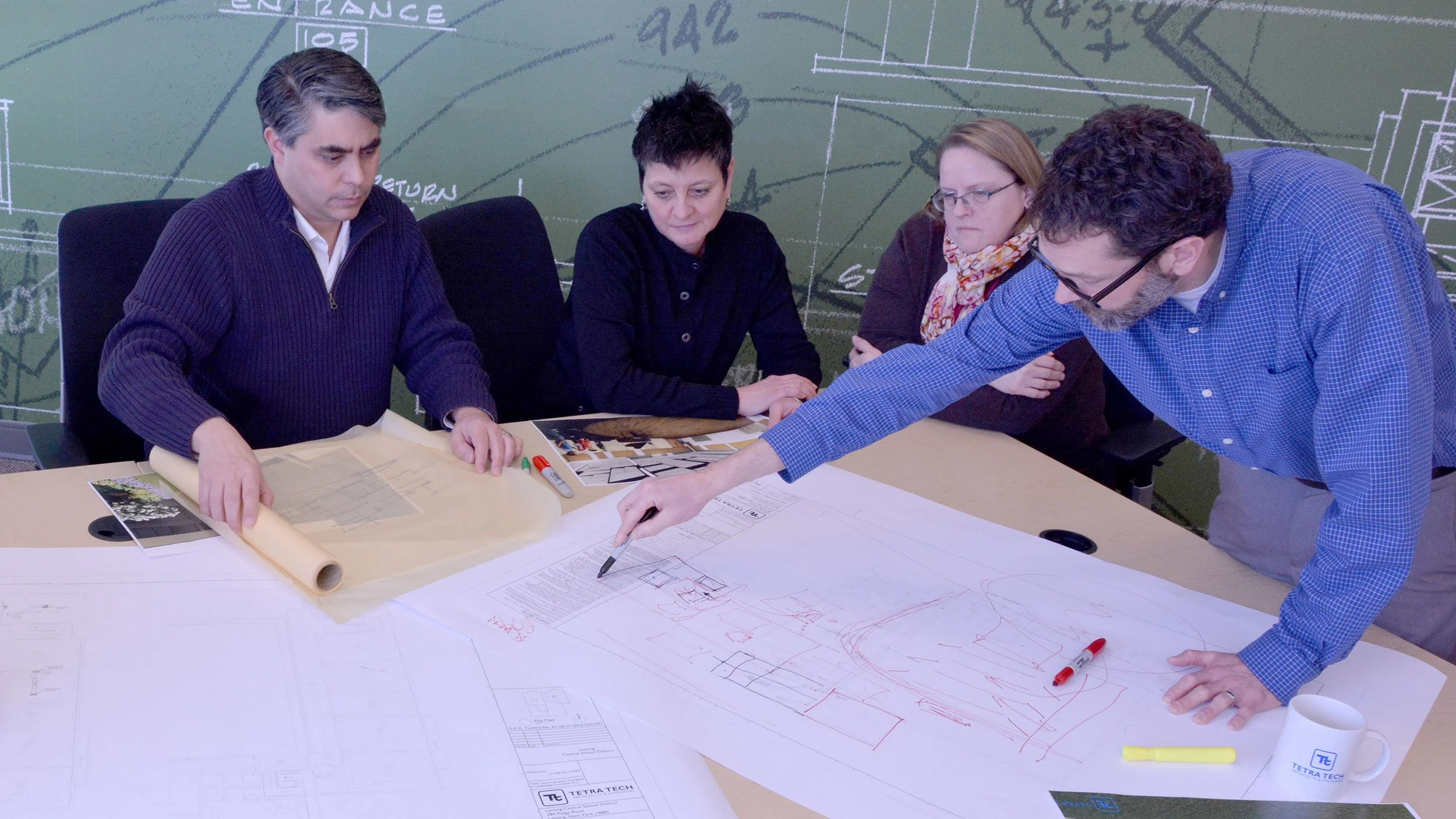
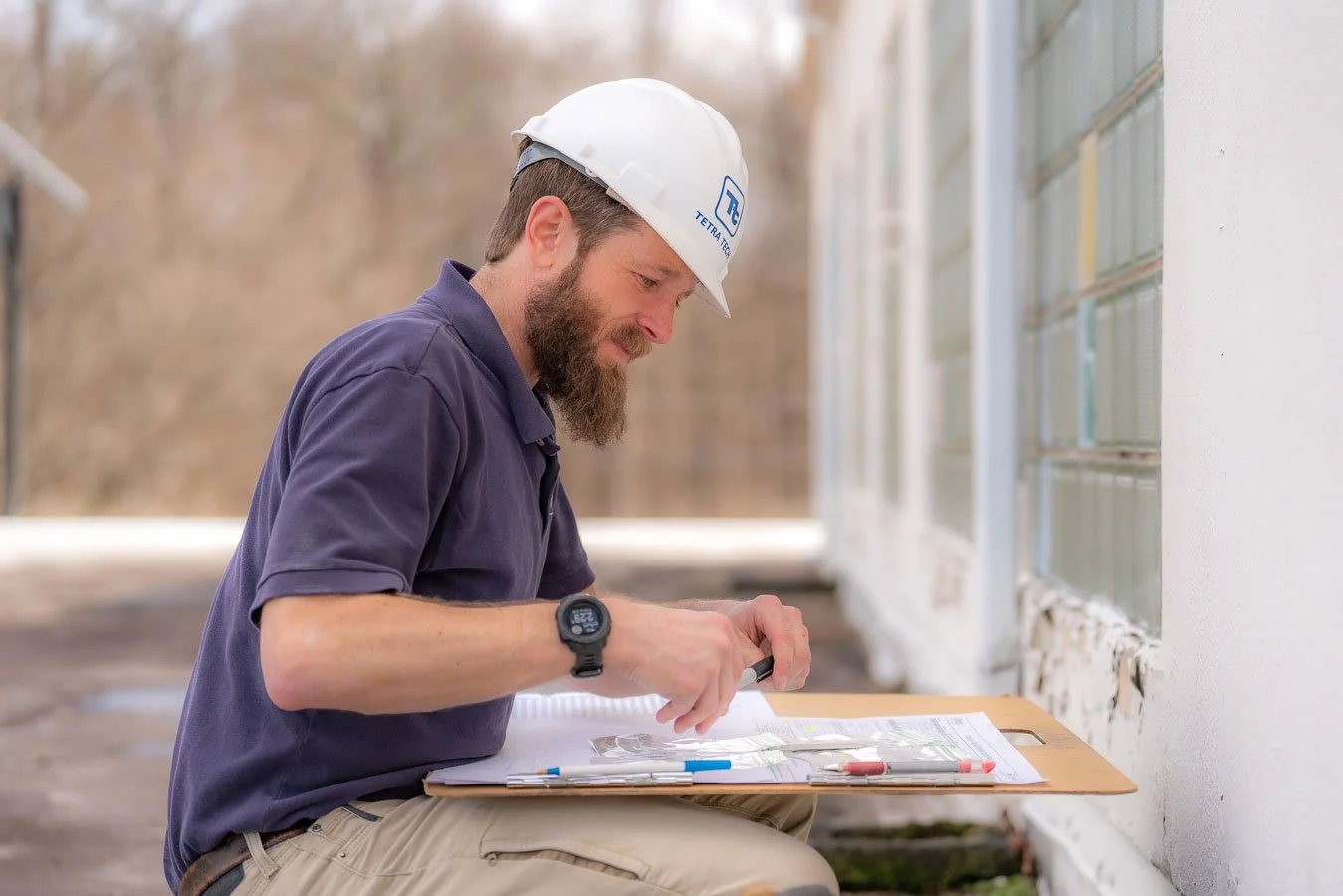
When Greater Johnstown City School District engaged Tetra Tech for a Building Condition Survey (BCS), the scope of work quickly exceeded typical expectations. Johnstown provided an extensive list—upwards of 170 known issues—combining highly specific deficiencies with broader concerns about the educational adequacy of teaching and learning spaces. This project would require a level of analysis and tracking beyond a standard BCS.
The district requested a tool that could track where each known issue was being addressed across an existing Energy Performance Contract (EPC), multiple active Capital Improvement Projects (CIPs), planned future CIPs, and capital outlays. They also wanted items clearly tagged if they appeared on the original owner’s list or were specifically intended to enhance the learning environment. To meet these requirements, Tetra Tech customized its deliverables so district leaders could immediately see which projects would address which problems and when.
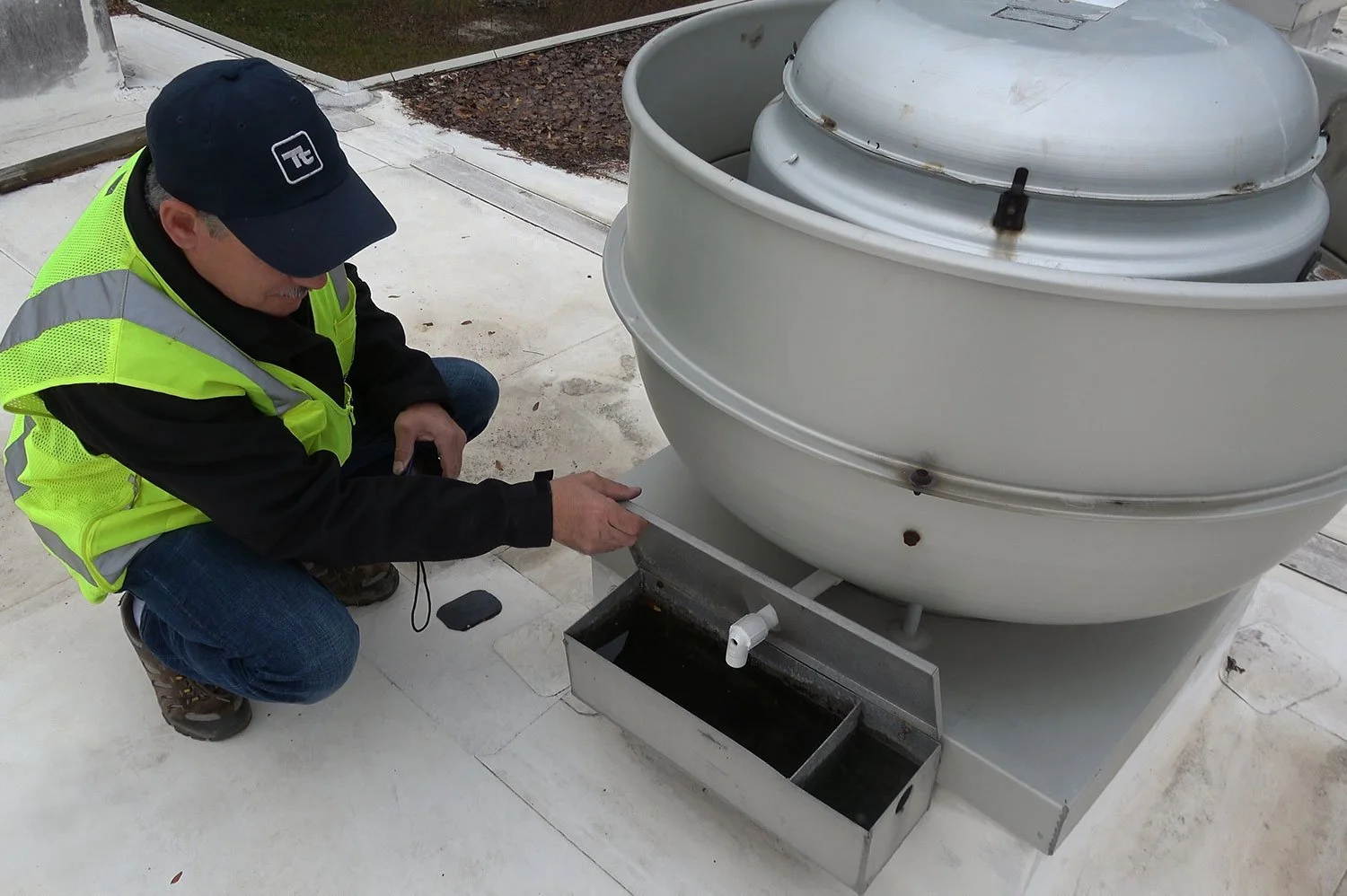
Because the Johnstown inventory included both discrete repairs and complex, multi-dimensional concerns, the project team adopted a pragmatic estimating approach. The BCS contract did not include detailed cost estimates for every listed item, so Tetra Tech focused estimating resources on straightforward, high-priority items—such as door replacements and similar definable scope. More complex conditions were documented and flagged for follow-up cost development if the district chose to prioritize them. This method allowed the Tetra Tech team to provide useful, reliable cost estimates where feasible while clearly communicating which items required further investigation and budgeting to be actionable.
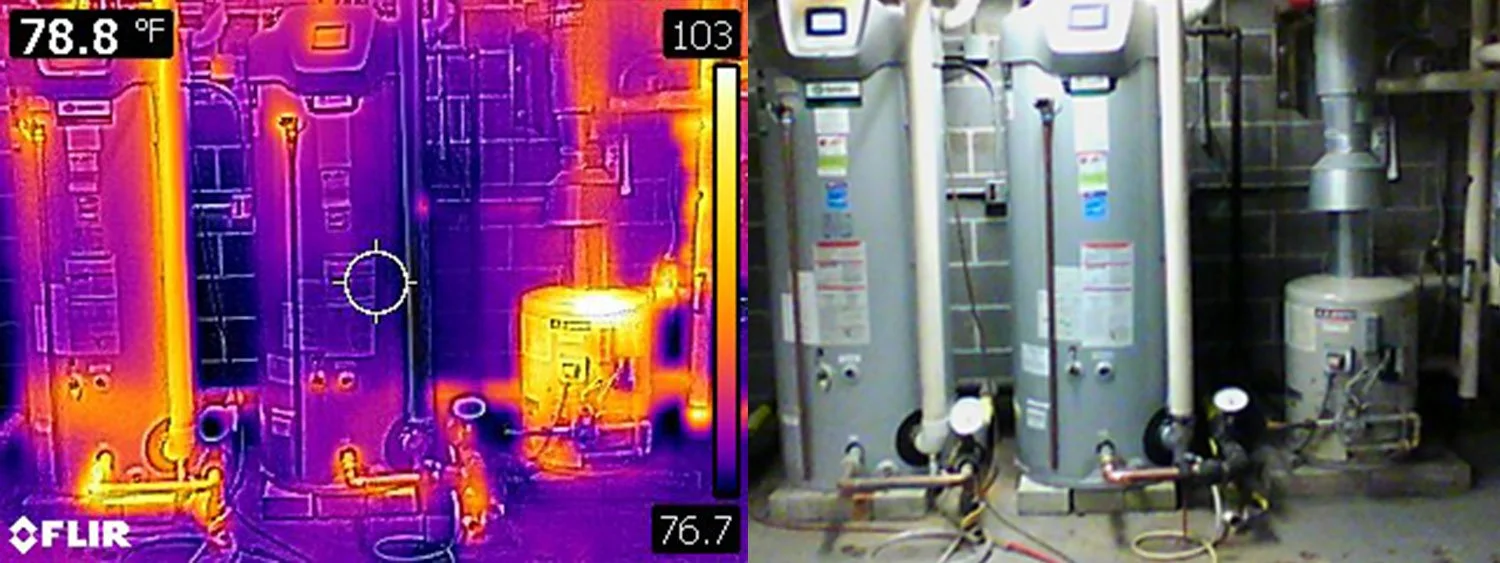
District leadership and meticulous recordkeeping contributed to the efficiency and success of this assessment effort. The director of facilities maintained an exceptional master list that became the backbone of the assessment. That disciplined documentation enabled Tetra Tech to include many more specific items that were important to the District into the customized planning tool.
Tetra Tech’s long-range facility planning tool now enables district staff to toggle views between items covered by the small and medium referenda, those earmarked for a larger future referendum, issues being addressed through the EPC, and items reserved for capital outlay. Users can quickly identify building-level needs currently being addressed and those planned for future funding. Public-facing reports were trimmed to emphasize priorities, while the comprehensive dataset remains available for detailed planning, grant applications, and referendum materials.
Tetra Tech’s planning tool is flexible and customized to each district’s specific needs. Greater Johnstown sought a customized planning solution that could manage an unusually large and detailed owner’s list, and Tetra Tech delivered. The outcome is a practical, easy to use tool that allows the District to prioritize projects of any scale that supports their facilities improvement program to enhance the learning environment for students and staff.