Designing Classrooms from NYS to Malawi
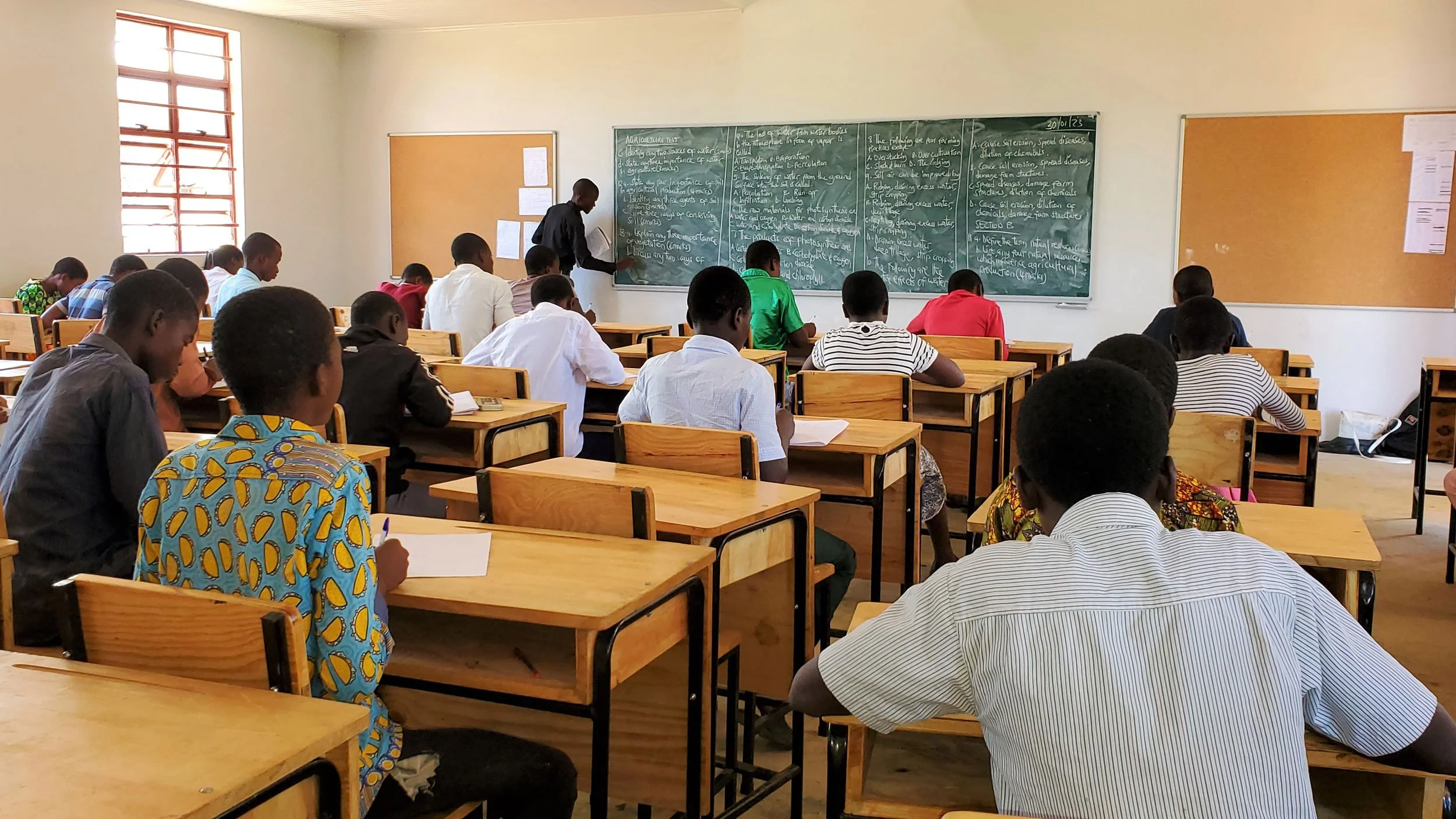
Tetra Tech Architects & Engineers in collaboration with Malawi’s Ministry of Education is increasing secondary school access through the Secondary Education Expansion for Development (SEED) project, funded by the U.S. Agency for International Development (USAID). The multidisciplinary architecture and engineering experts planned, designed, and continue to provide construction oversight as the expansion of existing schools continues to accommodate more students and support the construction of up to 200 new secondary schools where none exist. The project team was also responsible for designing schools that integrate sustainability principles, like net-zero energy and water, especially in remote areas lacking municipal services.
Tetra Tech’s site specific rural school design provides an improved learning space that is inclusive of physically challenged students and conducive to learning for adolescent girls. The new schools reduce students' walking time, which increases enrollment and attendance rates. This leads to opportunities for growth and leadership and furthers Malawi’s journey toward self-reliance. As access to education improves, more students will attend, learn proper health behaviors, and eventually strengthen the social economy.
Sean O’Brien, the SEED Project Architect who led the design team's efforts, noted that “Design constraints and opportunities are dictated by the place. Emphasis on zero net energy by selecting regional materials and local labor drives the forms of each facility on the campus. Consideration of the needs of the communities and the end users, Malawian students, and educators ensure generational success.”
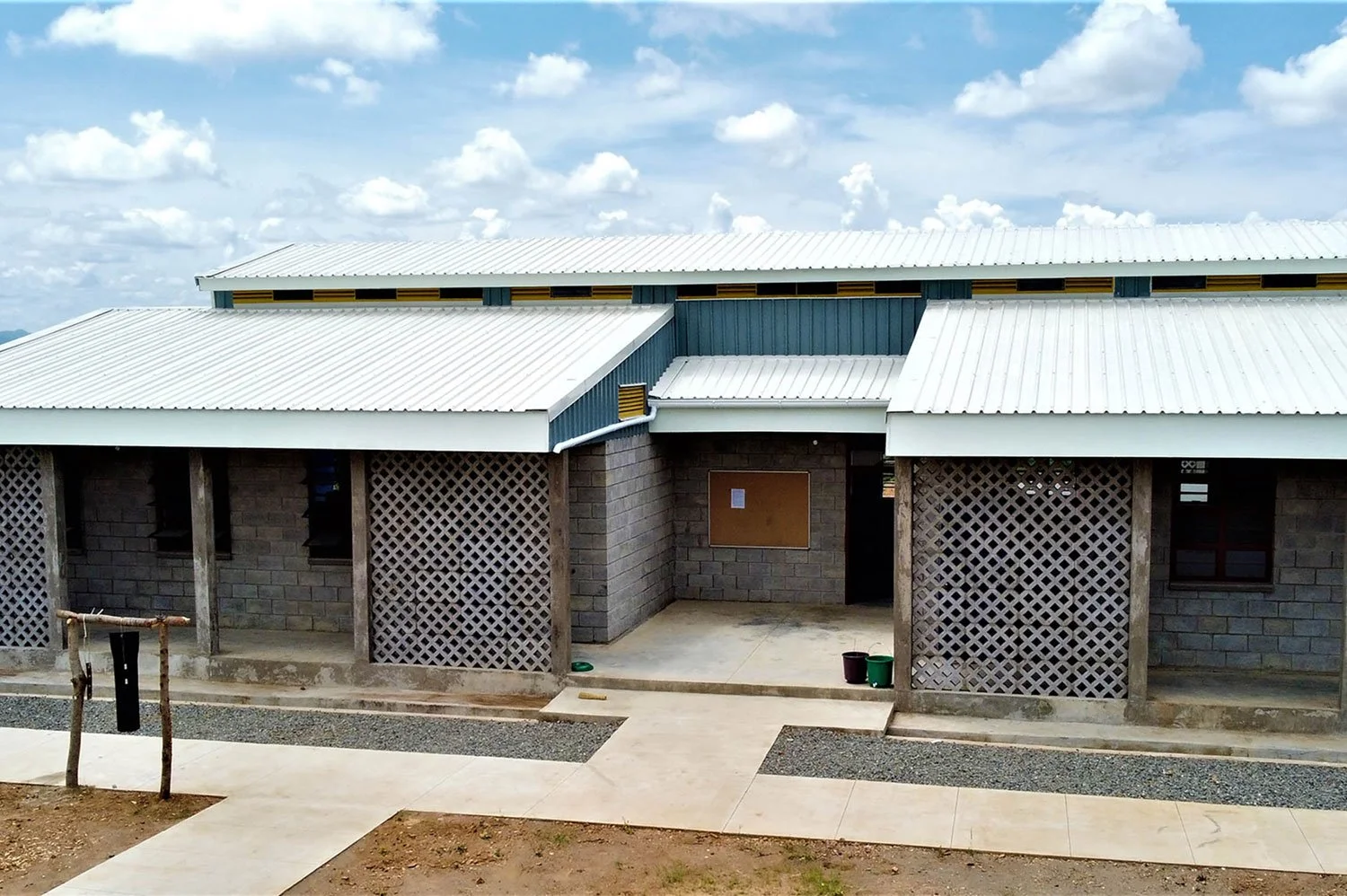
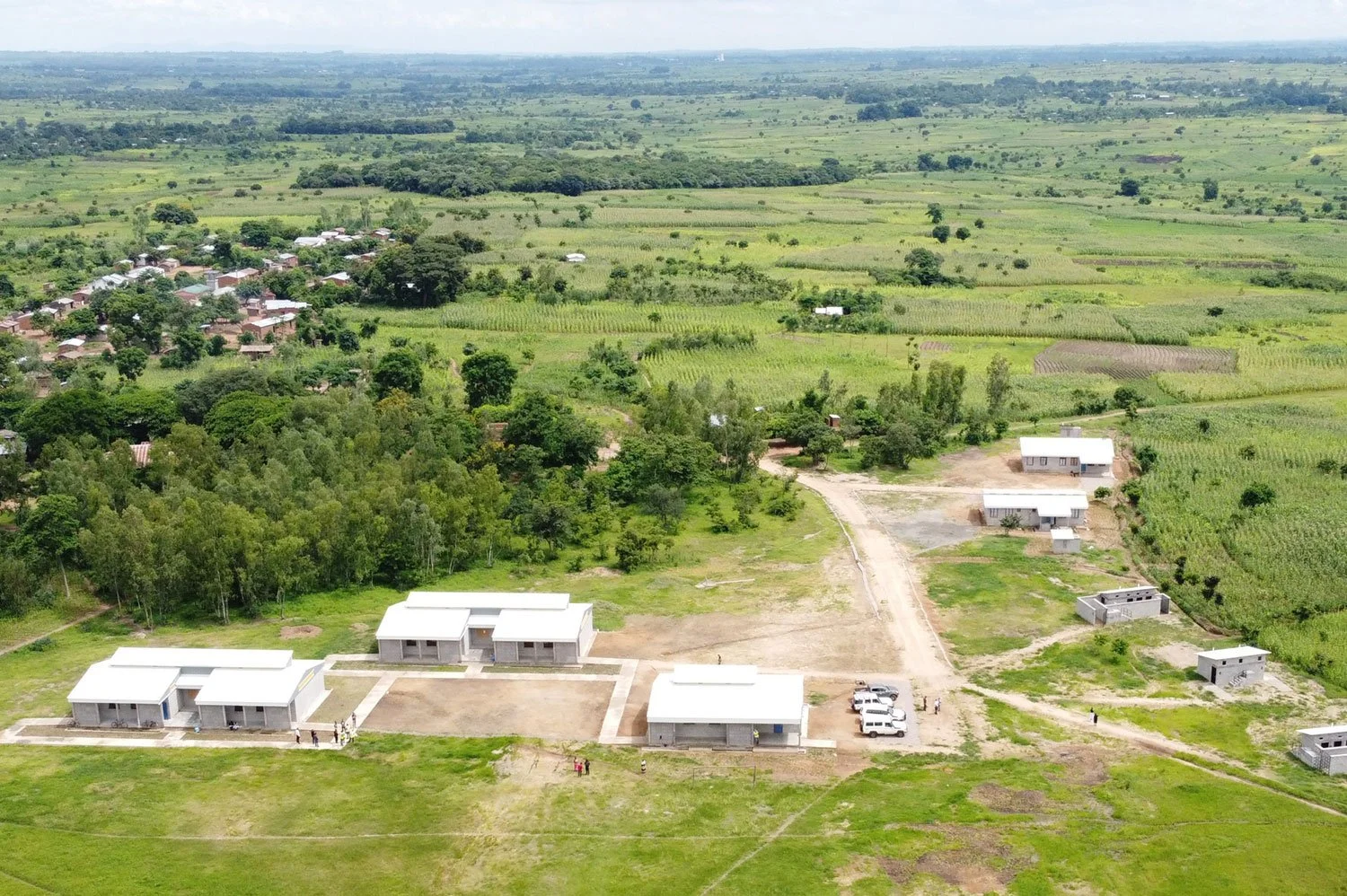
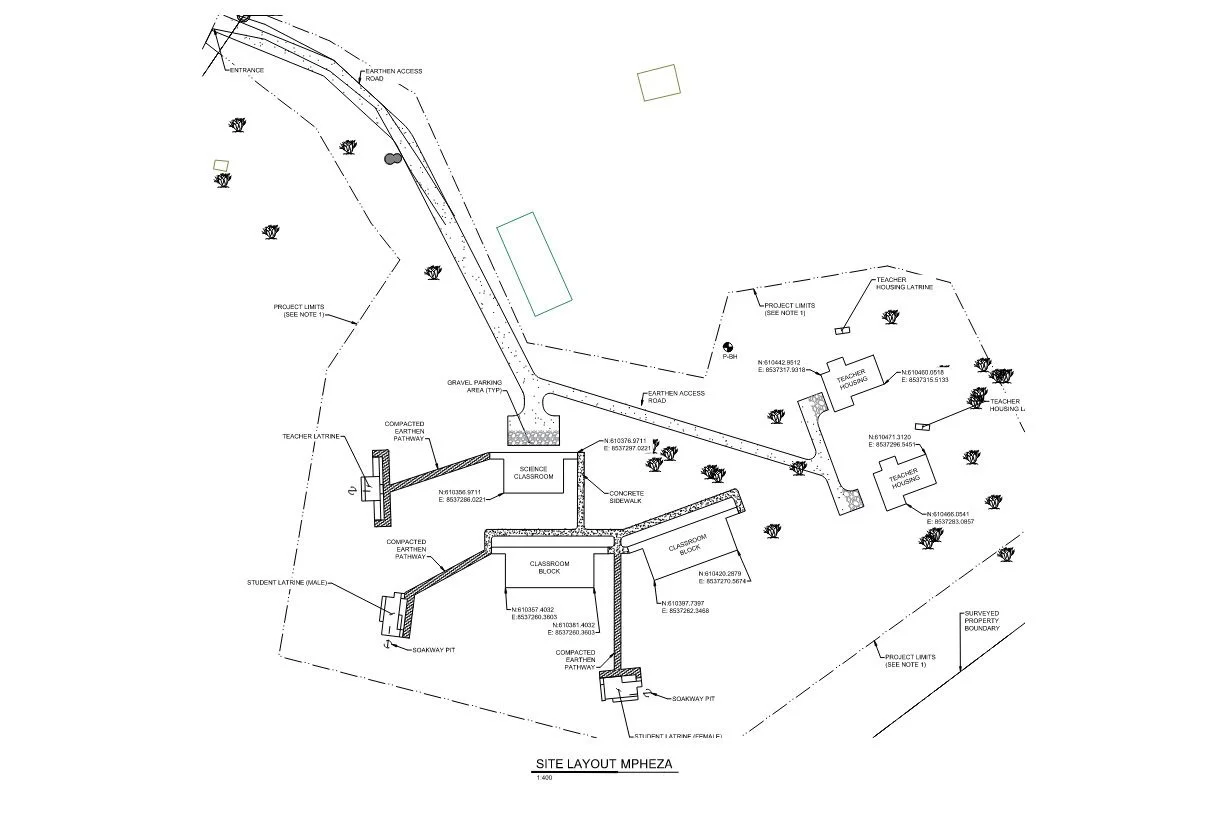
Tetra Tech is Leading with Science® integrating net zero energy and net zero water principles into the school designs, especially for schools in remote areas without municipal water or power. We are using regional materials and local labor and engaging the community to ensure generational success and long-term sustainability. We also implemented a SEED internship program for young graduate engineers aimed at developing their technical and management competencies.
The Design philosophy that the team employs for every school project:
Respect the culture, character of place and people by creating a simple, durable design that feels rooted in its surroundings.
Designs that are flexible (classrooms or offices or multi-purpose spaces).
Use regional, locally sourced, and appropriate materials, enhance the detailing, and use techniques to improve durability within the context of location, geography, and climate.
Acknowledge extreme climate events and conditions and respond with designs that provide appropriate solutions.
Integration of sustainable power solutions whenever feasible to create reliable sources without adding strain on local community infrastructure.
Promote each project as an opportunity for the students to learn through the design and building process.
In Malawi, more than 60% of secondary school-age students cannot continue their education because the schools in their vicinity are at double and triple capacity, or there is no secondary school. The overcrowding and access constraints disproportionally impact girls. The USAID Malawi SEED Project strives to increase access to public community day secondary schools to reduce the distances students travel to and from school and increase girls' attendance.
The multidisciplinary Tetra Tech team of architects and engineers engages with each client. They apply their experience, knowledge, and expertise to every project because each project is an opportunity to enhance the whole community.