
Lights, Sound, and Safety
Lakeland Central School District
Creating a more vibrant and sustainable performance space
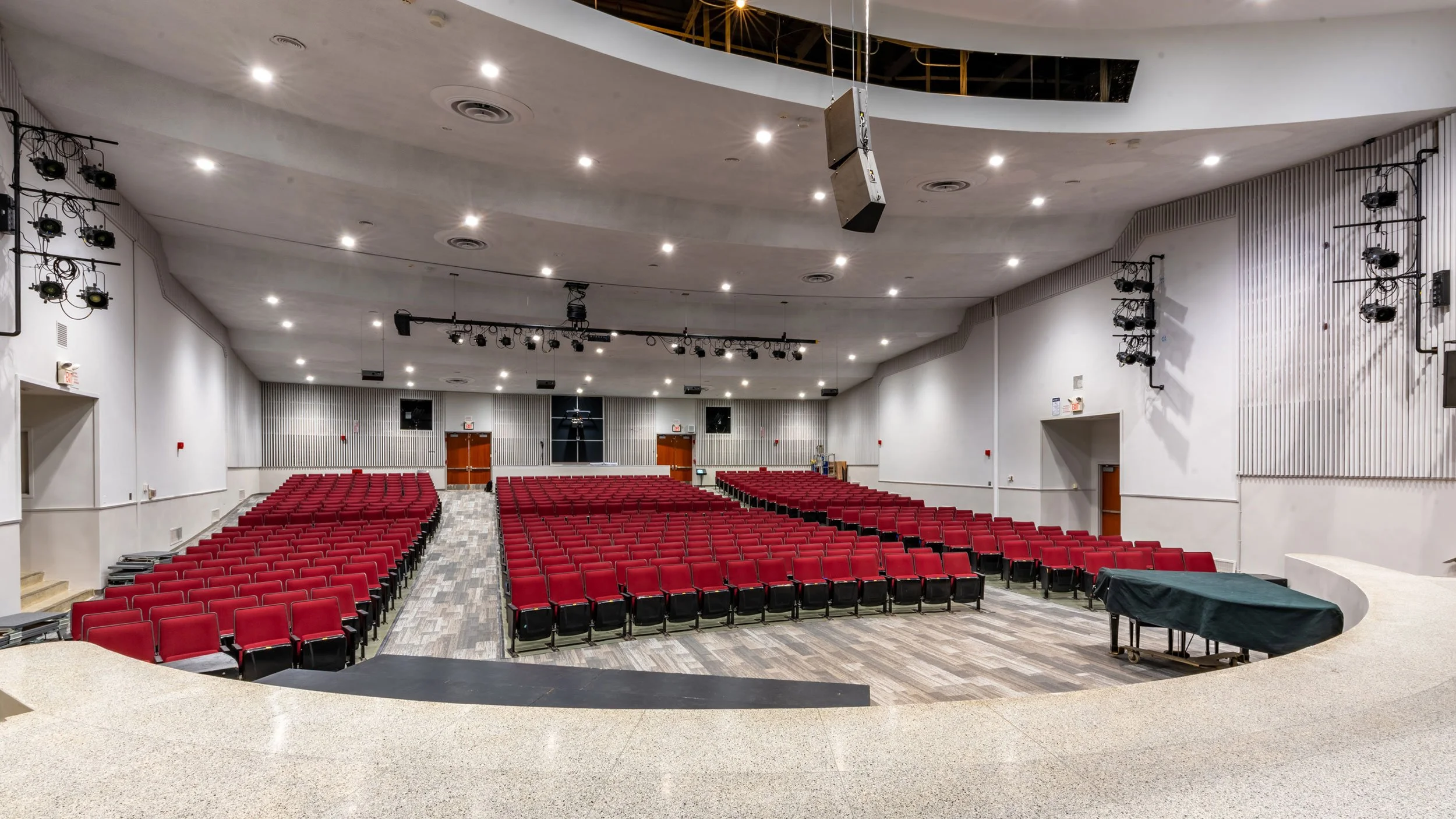
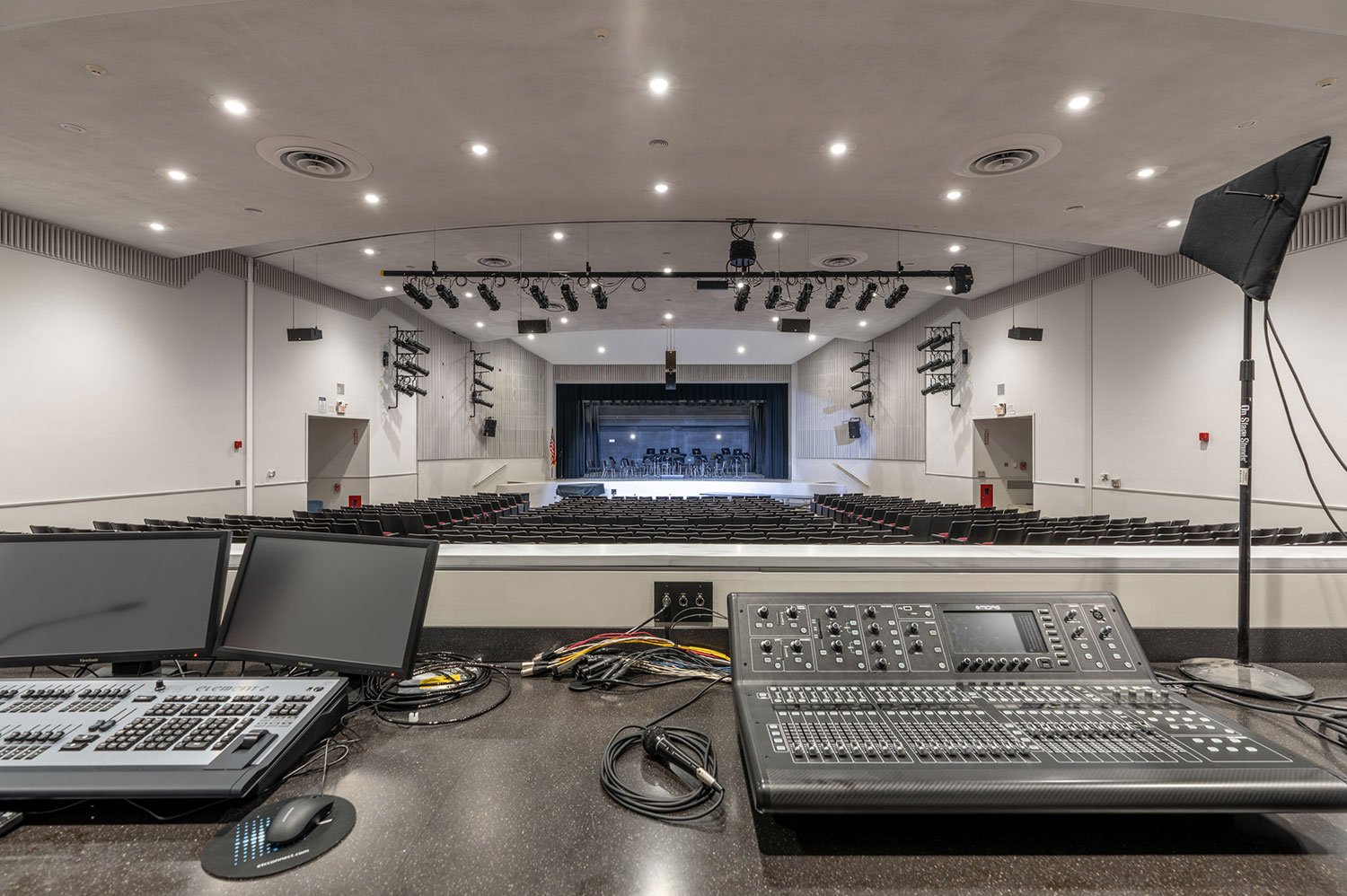
Lakeland High School’s auditorium modernization began as a focused upgrade to the audio and stage lighting systems and evolved into a targeted performance‑space modernization that addressed safety, code compliance, program flexibility, and long‑term value for the District. The project delivered replacement of incandescent fixtures with LED stage lighting, targeted audio infrastructure improvements, house and code‑required aisle lighting, an upgraded ground‑level controls/sound desk area, and motorized stage rigging and scenic track capability where program needs and safety considerations justified the investment. Select finish work, including carpeting associated with aisle lighting, was offered and accepted as alternates so the District could preserve budget control while meeting code and user expectations.
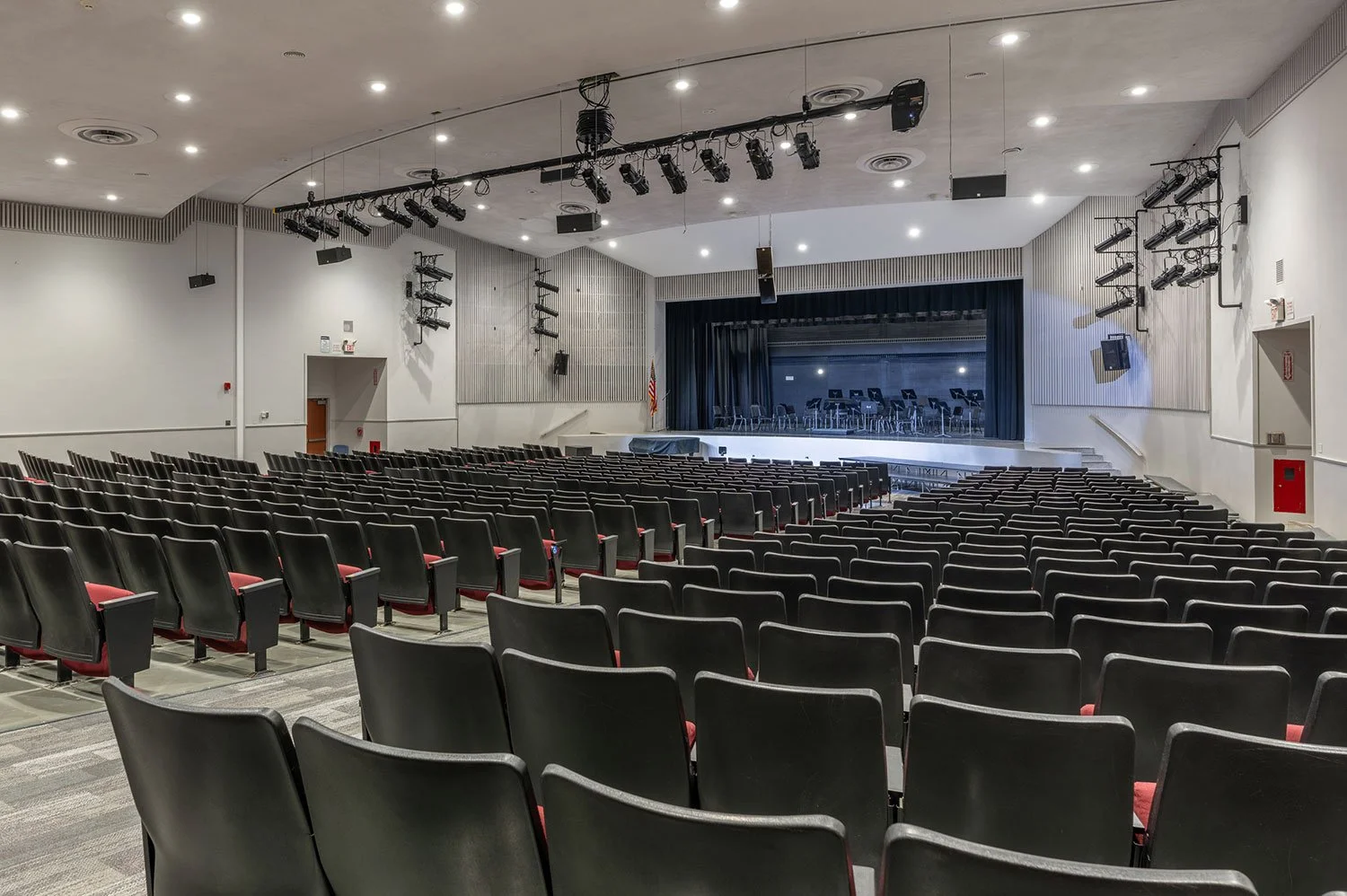
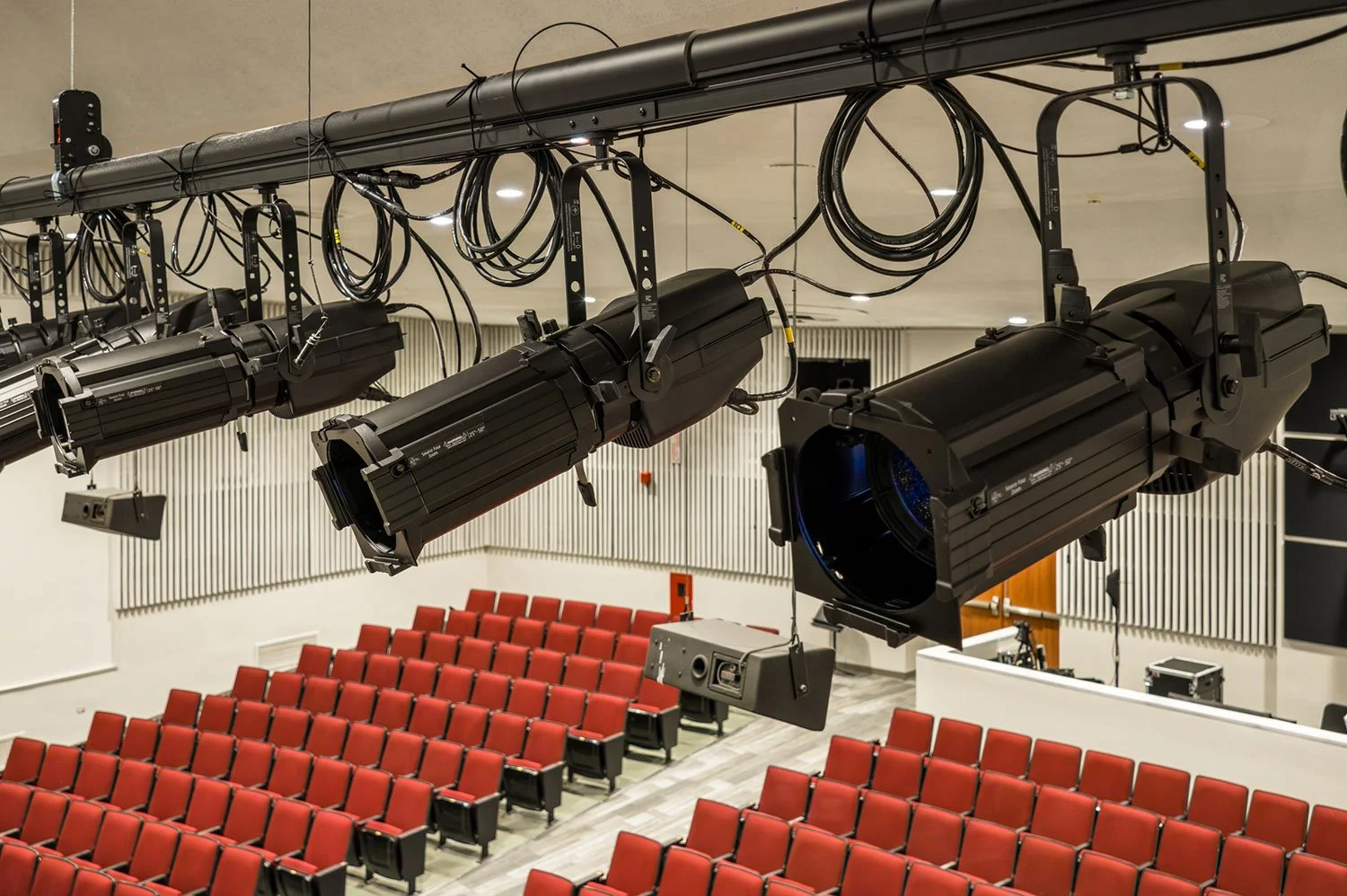
From the project inception the project team engaged the end users. After an on‑site review and structured user group meetings to capture the District’s wish list and operational preferences, the team discovered legacy rigging and single‑purchase hemp line systems installed under earlier standards. Recognizing the safety and capacity risk of installing modern fixtures on aged rigging, Tetra Tech engaged a respected, certified third‑party rigging inspector to document existing conditions and identify compliance gaps. That third‑party verification informed the design and prevented the installation of heavier or more dynamic equipment on systems that could not safely support such loads.
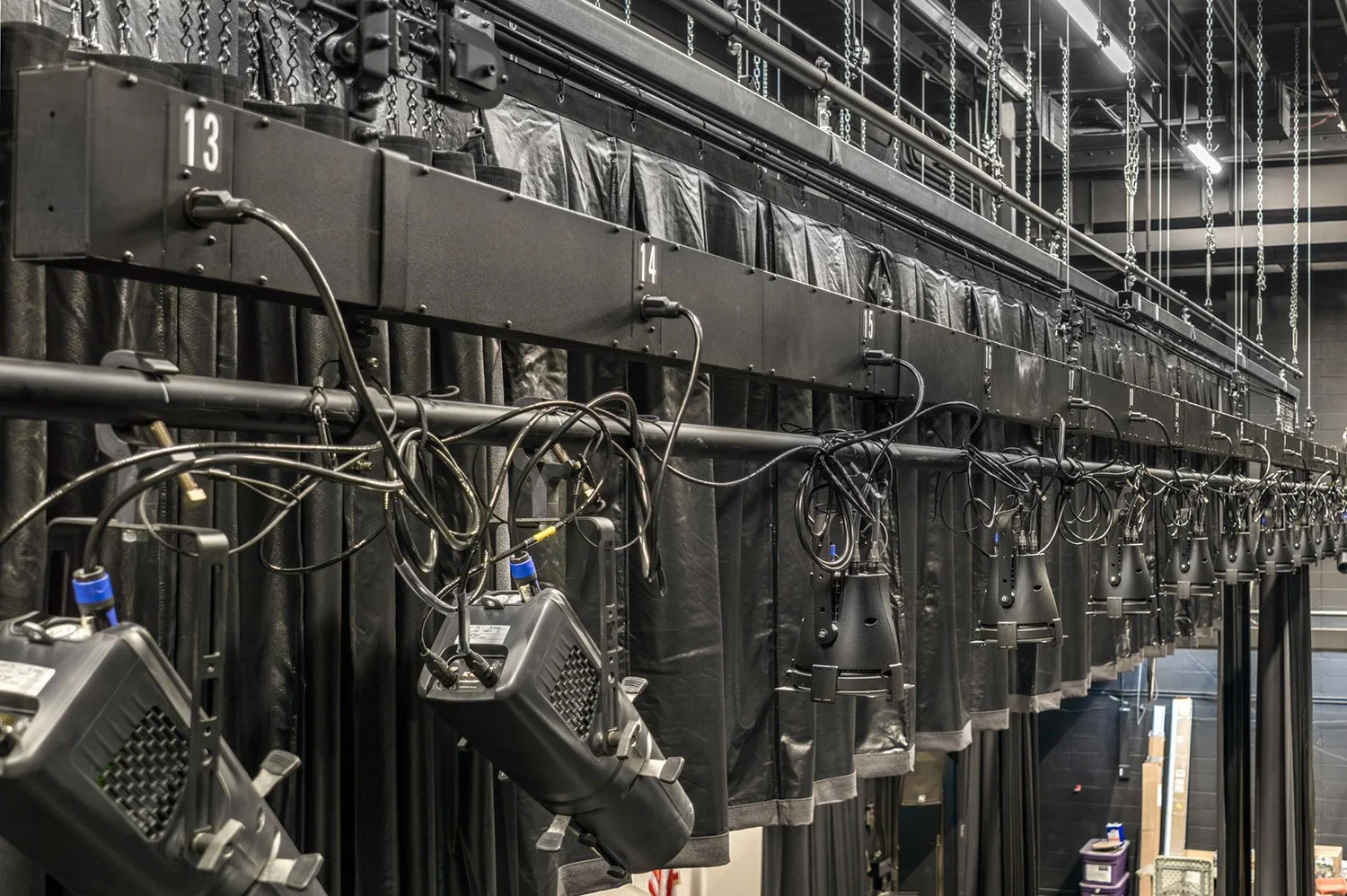
Design decisions were driven by a risk‑aware, owner‑centric approach. Early collaboration with the Tetra Tech teams’ lighting specialist translated program goals into technical options and performance criteria, while the rigging inspection established what could be renovated and what required replacement. The team recommended motorized fly and track systems in areas where motorization provided demonstrable safety and program benefits: motorized systems eliminate the need for staff or students to climb into catwalks, expand scenic possibilities in a shallow fly space, and offer students exposure to modern theatrical technology that supports educational and career pathways. Where benefits did not justify additional cost—such as a second motorized lighting bar later determined to be unnecessary because of the upgrade to LED fixtures—those items were presented as alternates and declined, preserving the project budget.
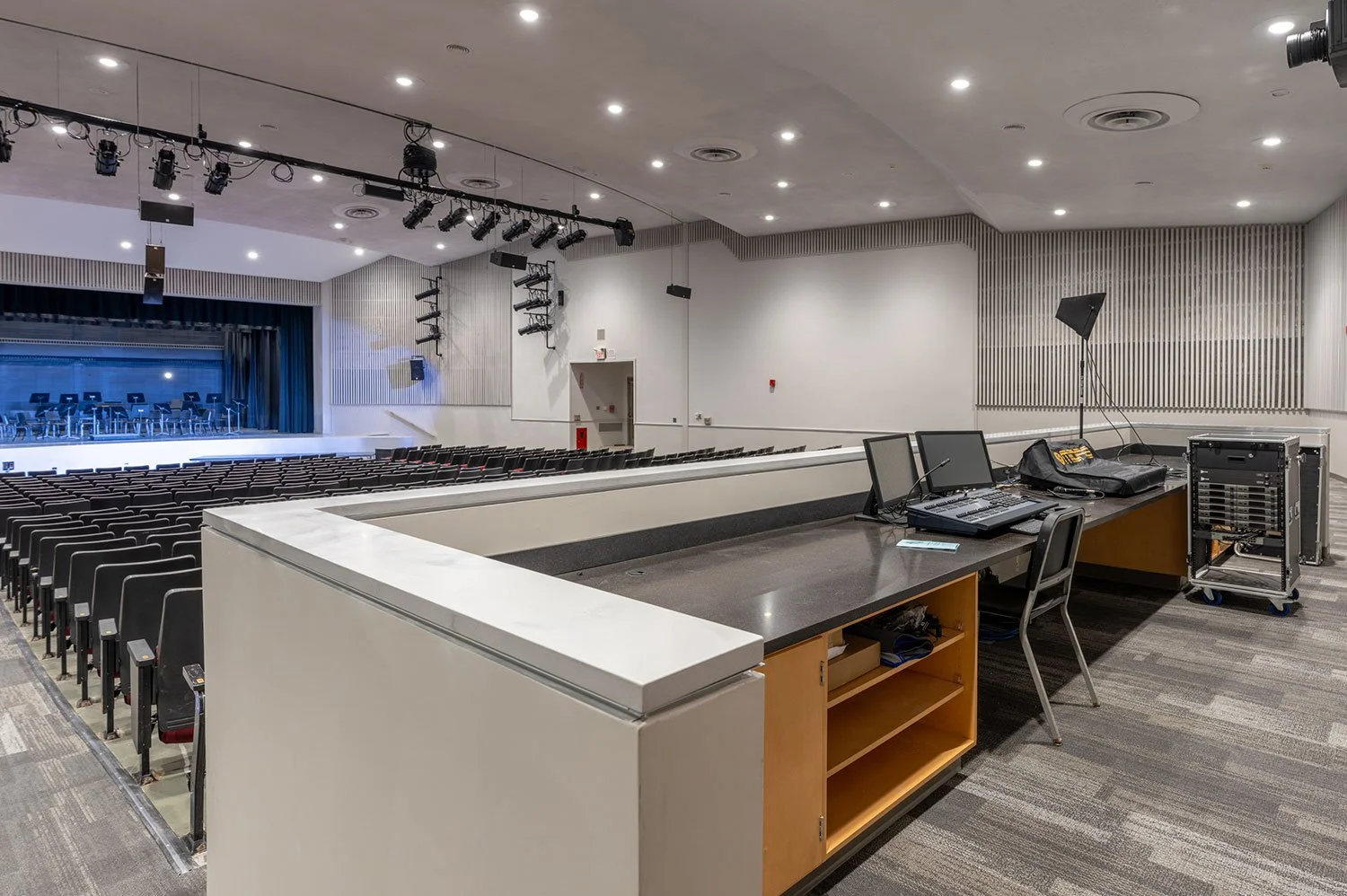
The project retained and augmented functioning systems rather than pursuing unnecessary wholesale replacements. The audio system, already partially upgraded, received targeted infrastructure recommendations that could be staged later, allowing the District to realize immediate savings while maintaining a clear path for future enhancements. Code‑required aisle lighting and related carpeting were presented as alternates and accepted, improving egress visibility and protecting finishes without derailing the baseline budget. At the rear of the auditorium the control area was reconfigured: the space was leveled, a modest partition added to separate audience and technicians, and wiring upgraded to support more effective operation.
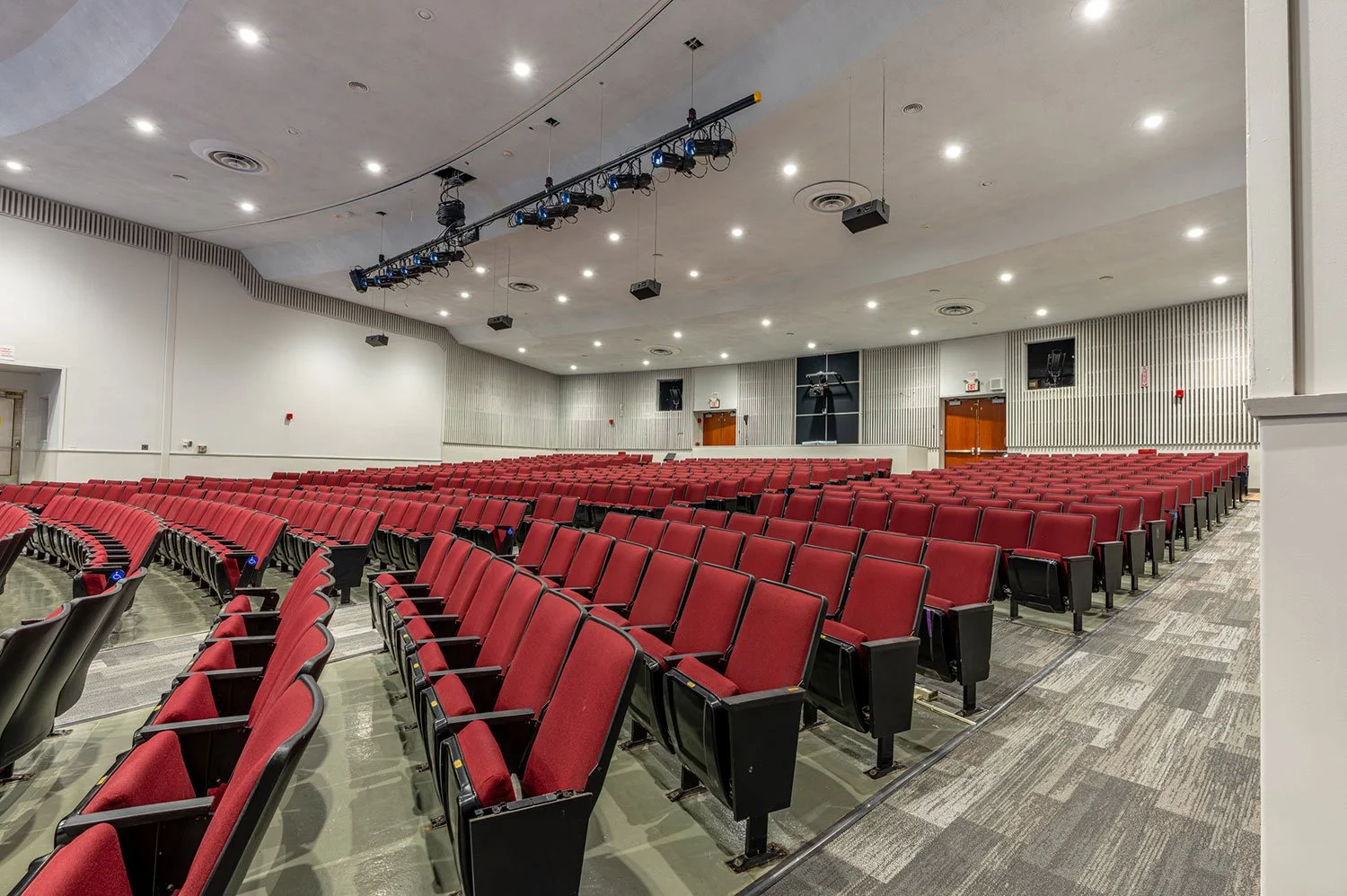
The project outcome is a safer, more technically capable, and more sustainable performance space that aligns with the District’s operational and educational goals while remaining sensitive to district‑wide equity and long‑term capital planning. LED lighting and motorized systems reduced maintenance burdens, expanded production capability, and created hands‑on learning opportunities for students. Phased recommendations and alternates gave the District the flexibility to prioritize critical investments now and defer secondary items to future capital cycles. Throughout the project, Tetra Tech translated technical tradeoffs into programmatic impacts, enabling informed decisions that balanced safety, performance, cost, and parity across District buildings.