
Tarmac Turned to Team Space
Champlain Valley Educational Services
Repurposing an old airplane hangar, creating a flexible, multiuse facility
THIS IS THE BANNER IMAGE - MAKE SURE #banner APPEARS IN THE LINK
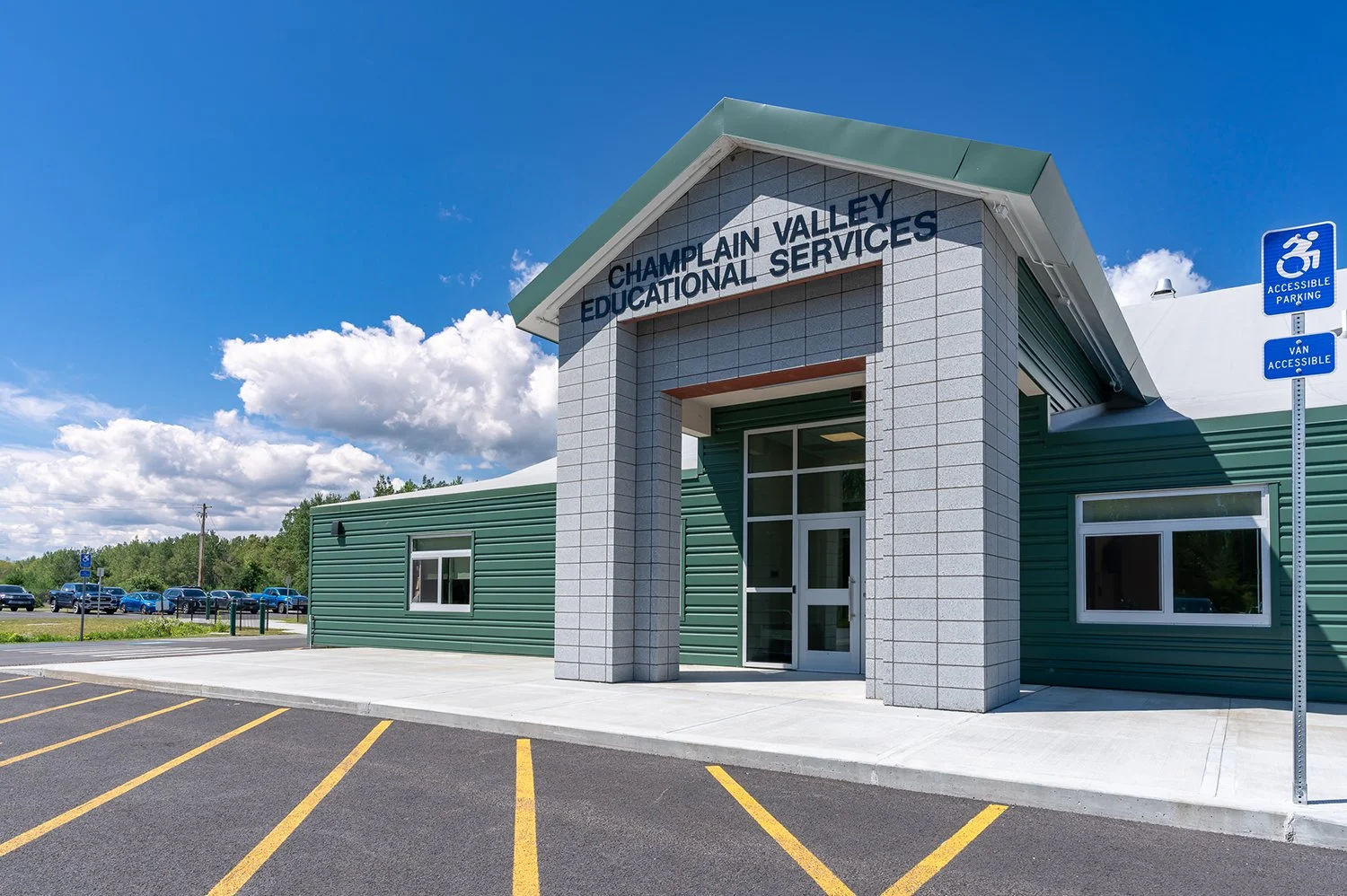
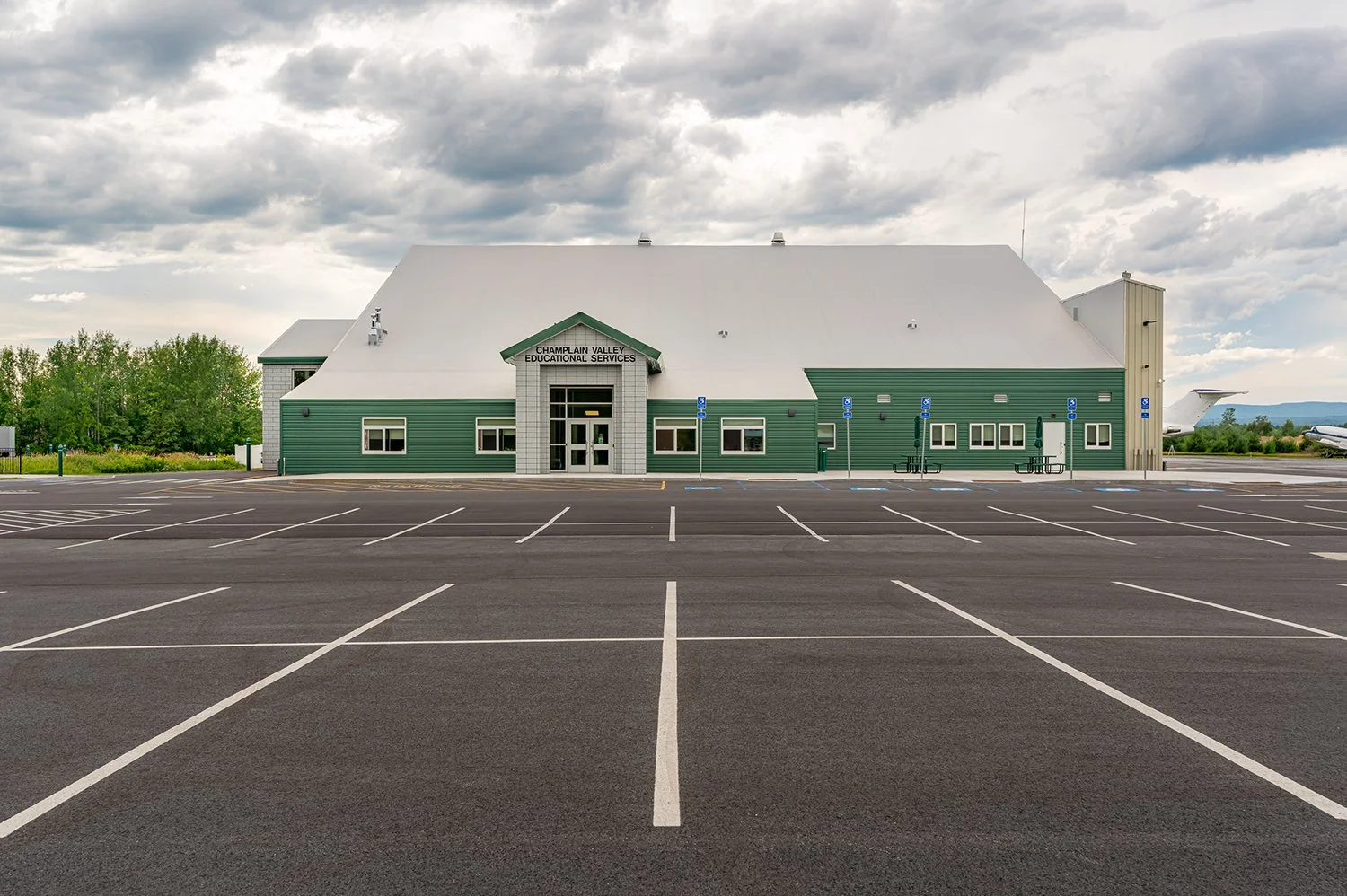
Tetra Tech converted the old Clinton County Municipal Airport hangar in Plattsburgh into the Conference Center for Champlain Valley Educational Services (CVES), creating a flexible, multiuse facility that brings many BOCES functions together in one location.
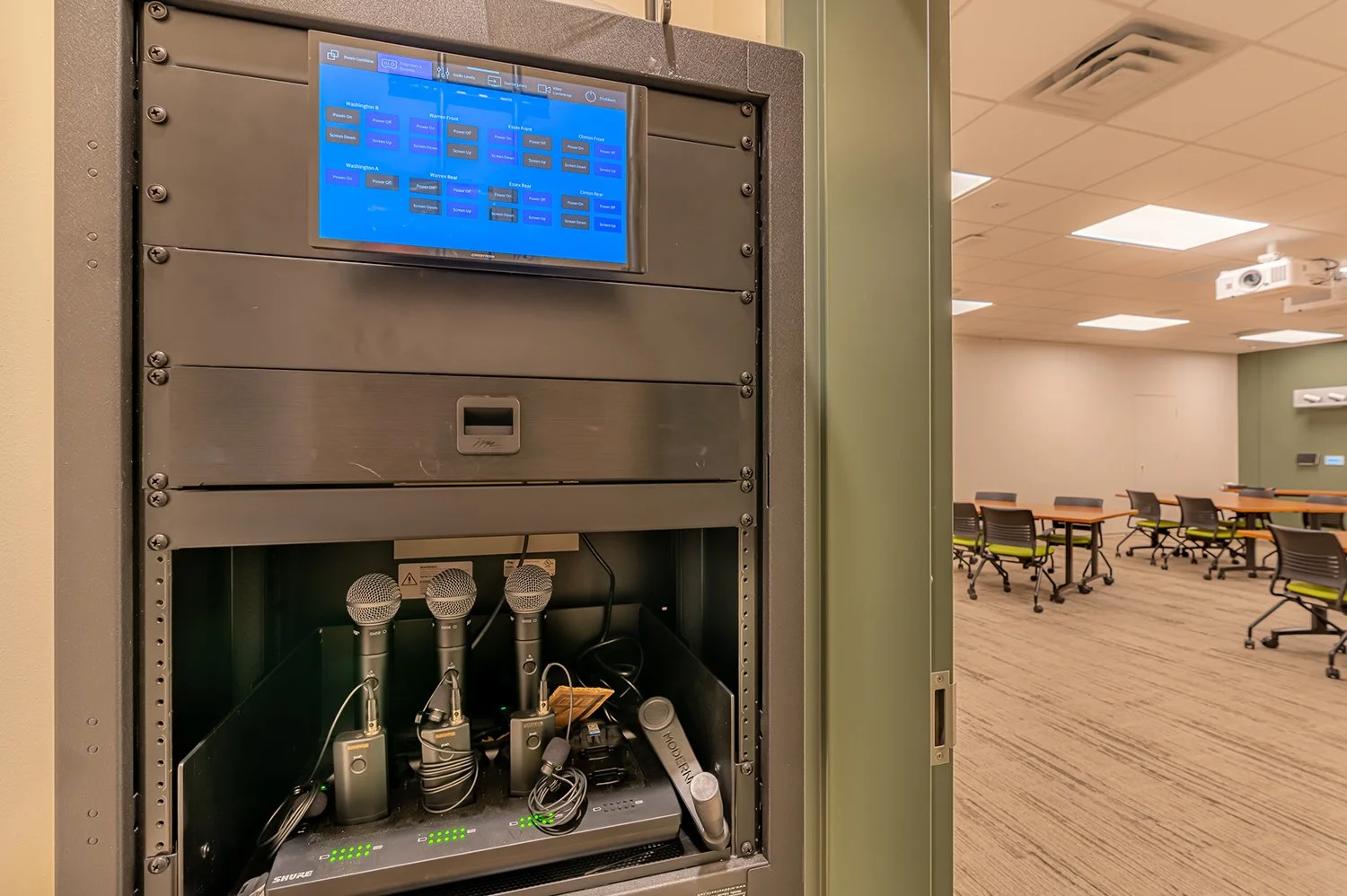
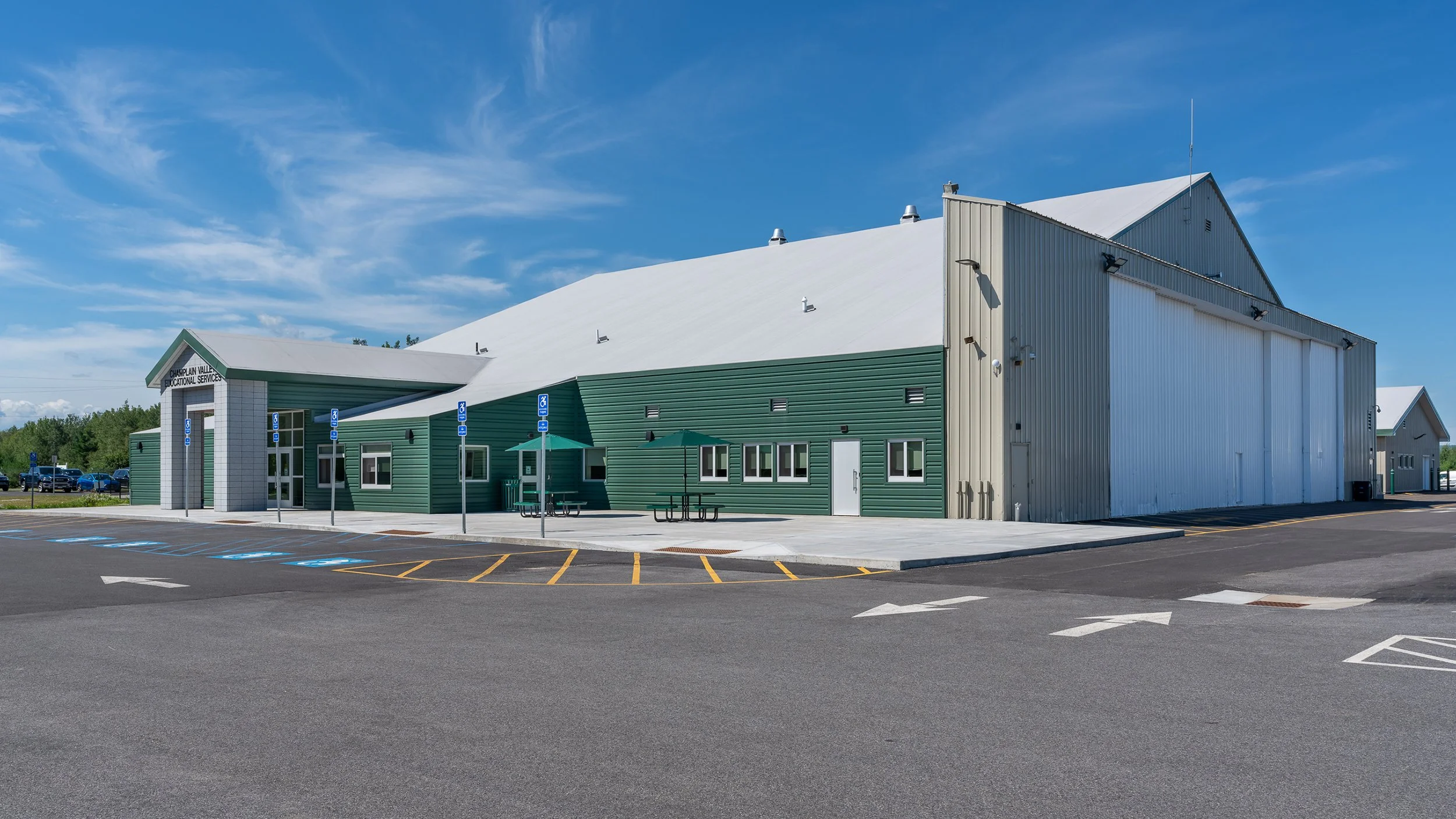
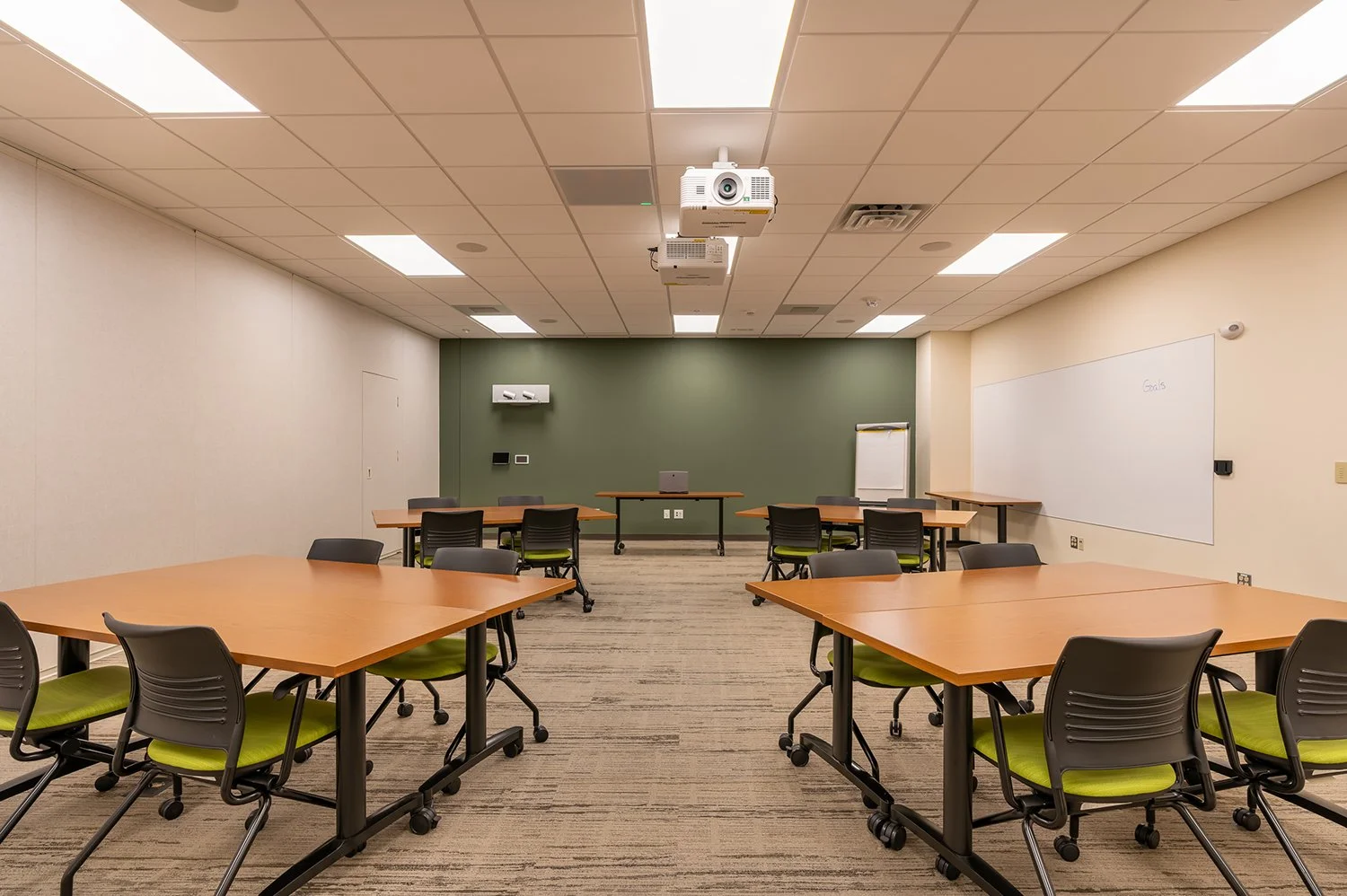
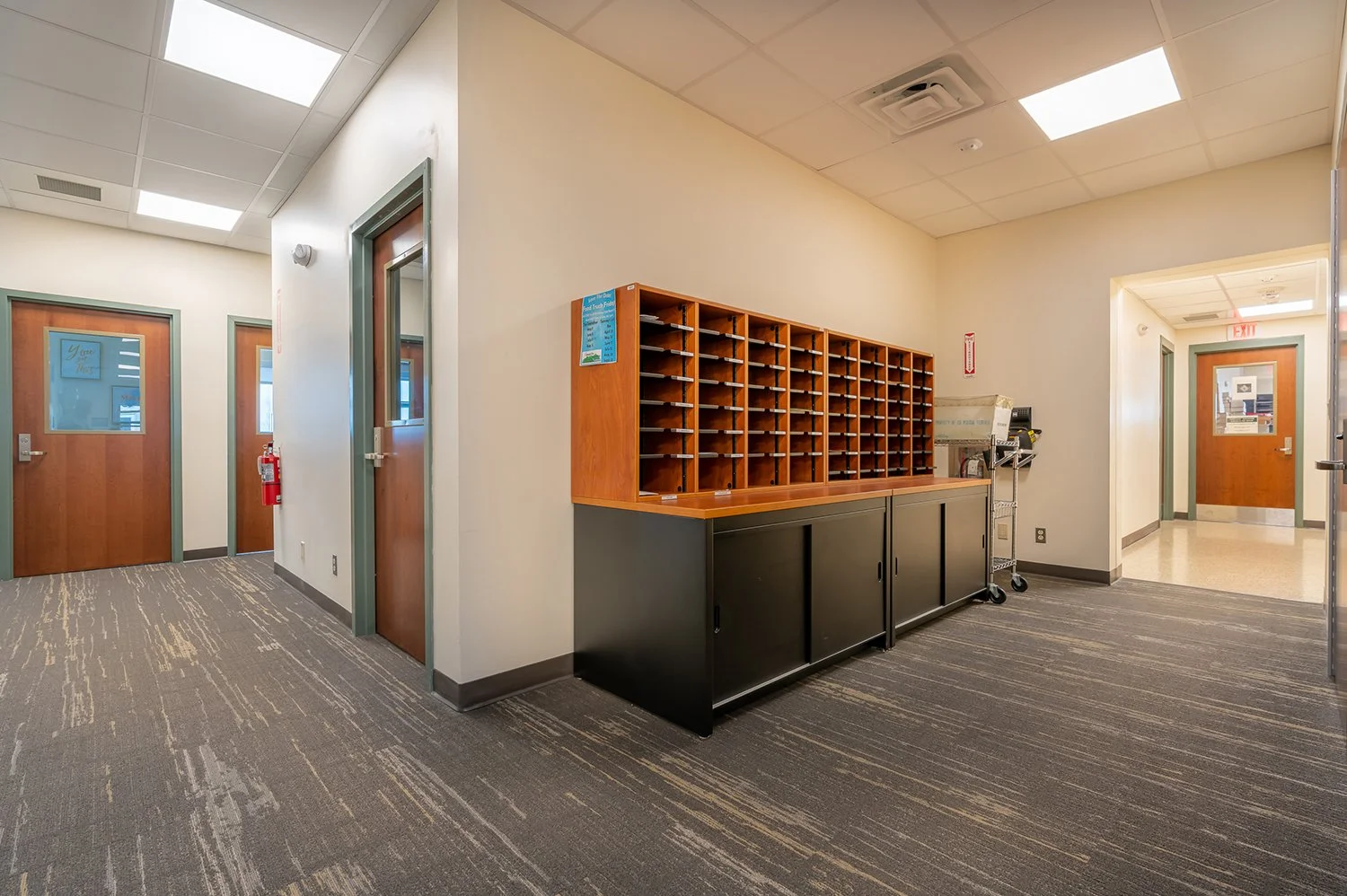
The design preserves the hangar’s industrial character while adding modern office, conference and support spaces. The facility includes a large group instruction room for 350 people with catering and service areas, consolidated suites for the District Superintendent and administrative staff, and support spaces for warehousing, a print shop, IT, instrument repair and mail. A secure main vestibule improves safety, and a prepared second‑floor plate allows future expansion without disturbing first‑floor activities.
Repurposing the high‑bay hangar posed special structural, utility and programmatic challenges. The hangar’s tall interior (about 45 feet at the peak), oversized doors and concrete slab—originally designed for aircraft—required careful investigation and thoughtful design. Tetra Tech used ground‑penetrating radar and test pits to map slab thickness, locate voids and understand buried conditions. Those findings guided utility routing and structural decisions so work could proceed efficiently and safely.
Because original construction drawings were not available, the team built a self‑supporting interior structure for occupied office spaces—a “building within a building.” This approach avoided invasive changes to the existing shell, allowed the new interior to meet current codes and performance requirements, and simplified future connections to the hangar envelope.
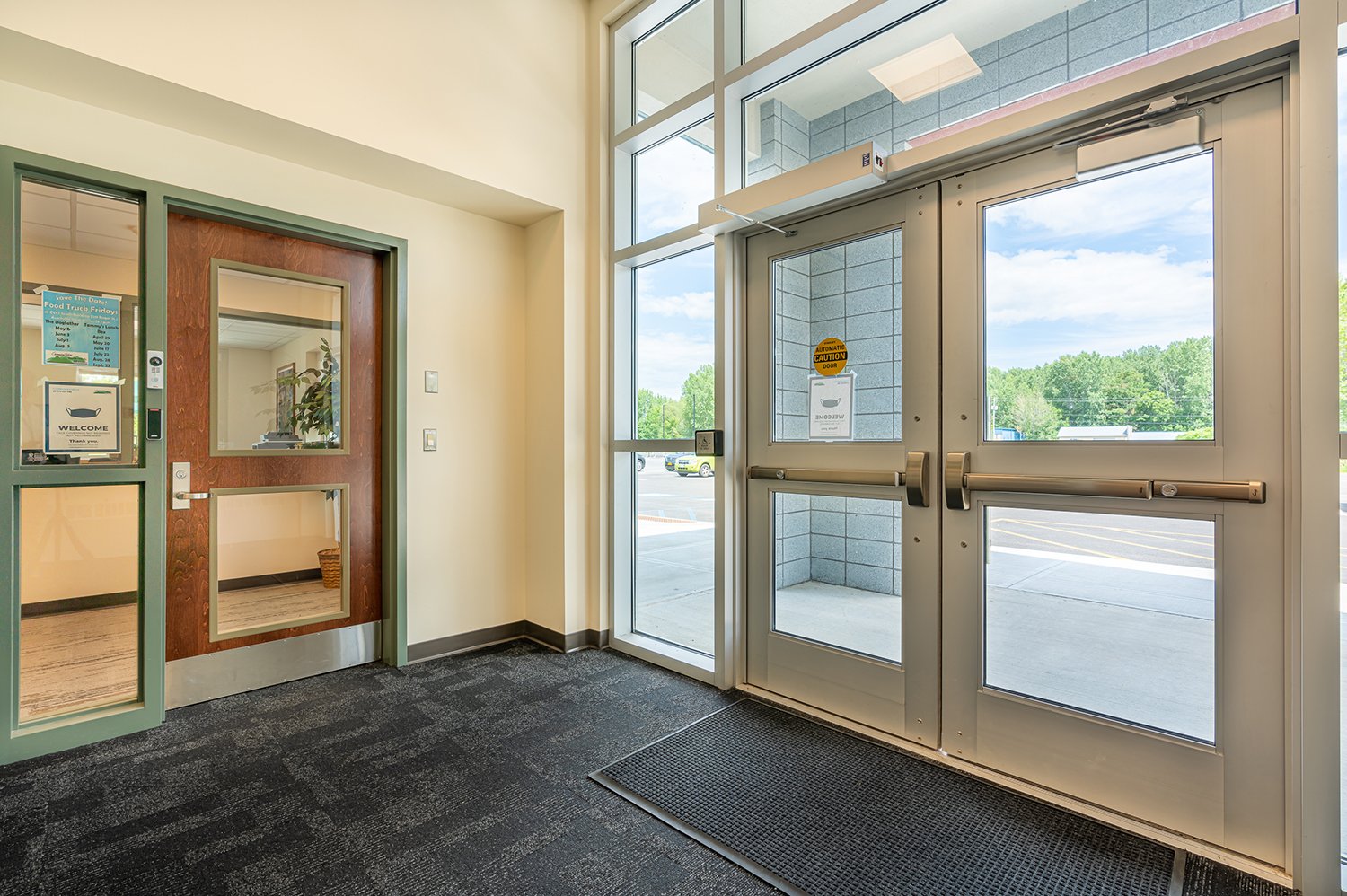
During construction the roof, which had initially appeared serviceable, was found to leak and was replaced before interior finishes were installed. Exterior upgrades—new windows, doors and siding—brought the envelope up to modern energy and accessibility standards where work occurred. Selected HVAC, plumbing and electrical systems were upgraded for better reliability and efficiency, and a whole‑building generator was installed so operations can continue during power outages. A portion of the high‑bay space was intentionally retained as classroom or lab space to help maximize SED building aid.
The campus sits on a 17.5‑acre parcel with an additional roughly 20 acres held for future flexibility. Tetra Tech redesigned circulation to create safer, more intuitive vehicle and pedestrian access, added a new entrance and curb cut, and constructed an access road through wetlands using methods designed to minimize environmental impact. Strategic repaving and restriping increased parking near the conference center and improved overall campus logistics.
By consolidating operations that were scattered across multiple leased sites into a single hub, adding conference capacity and addressing long‑standing maintenance and safety needs, Tetra Tech delivered a resilient, code‑compliant campus that preserves the hangar’s character while meeting CVES’s needs today and supporting future growth.